Our HISTory
Built on Craft, Integrity, anD Industry-Leading StandardS
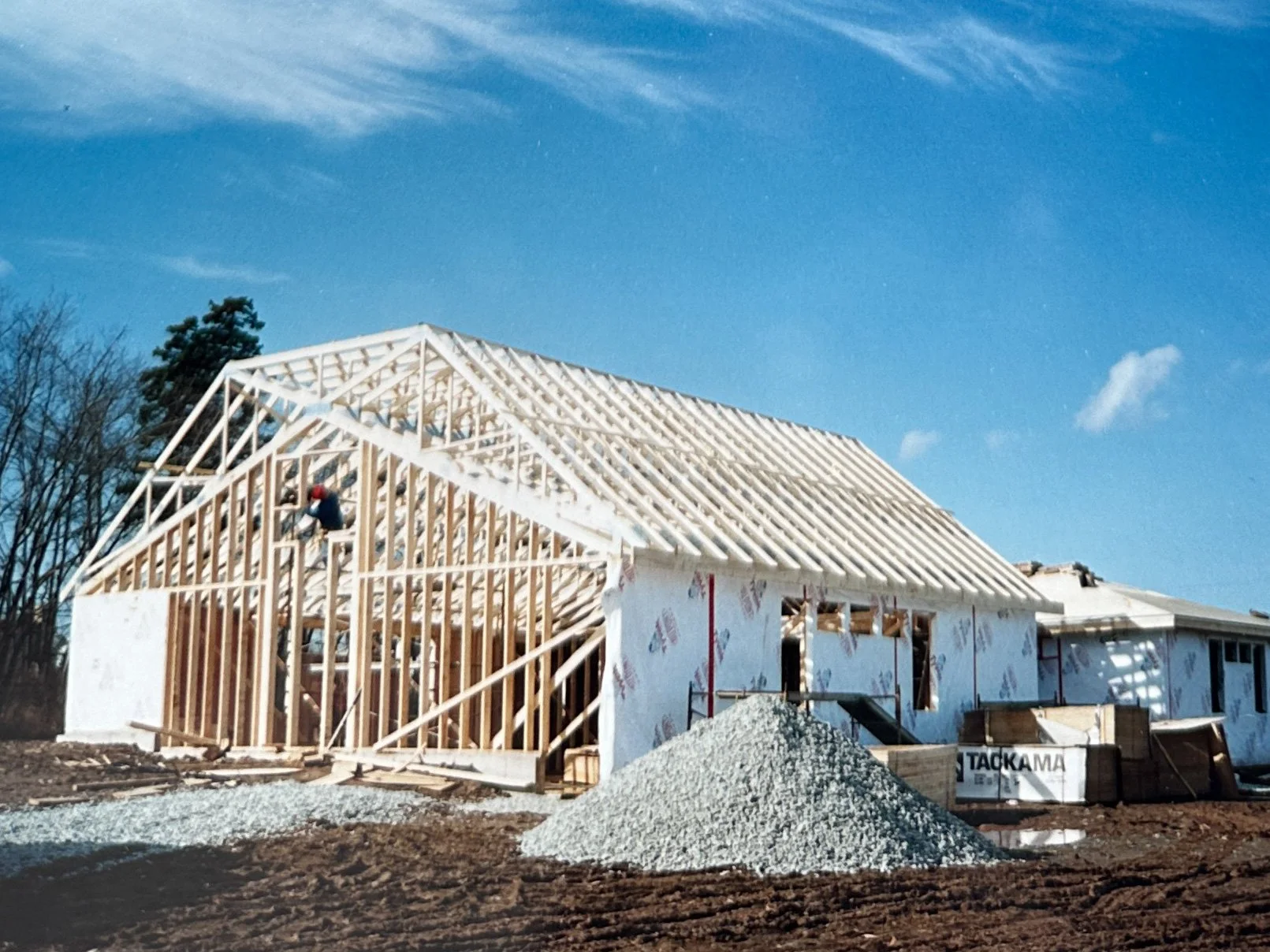
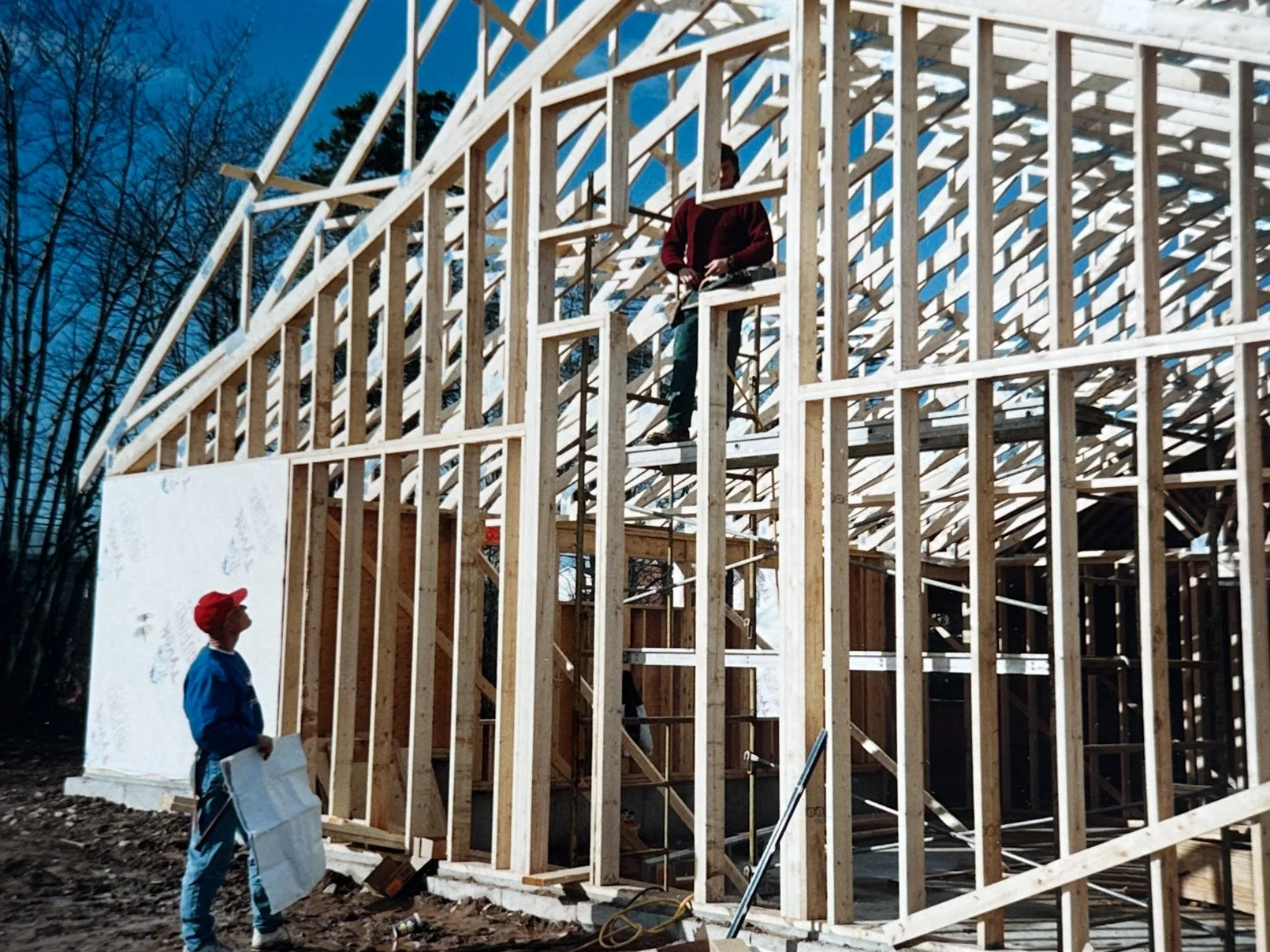
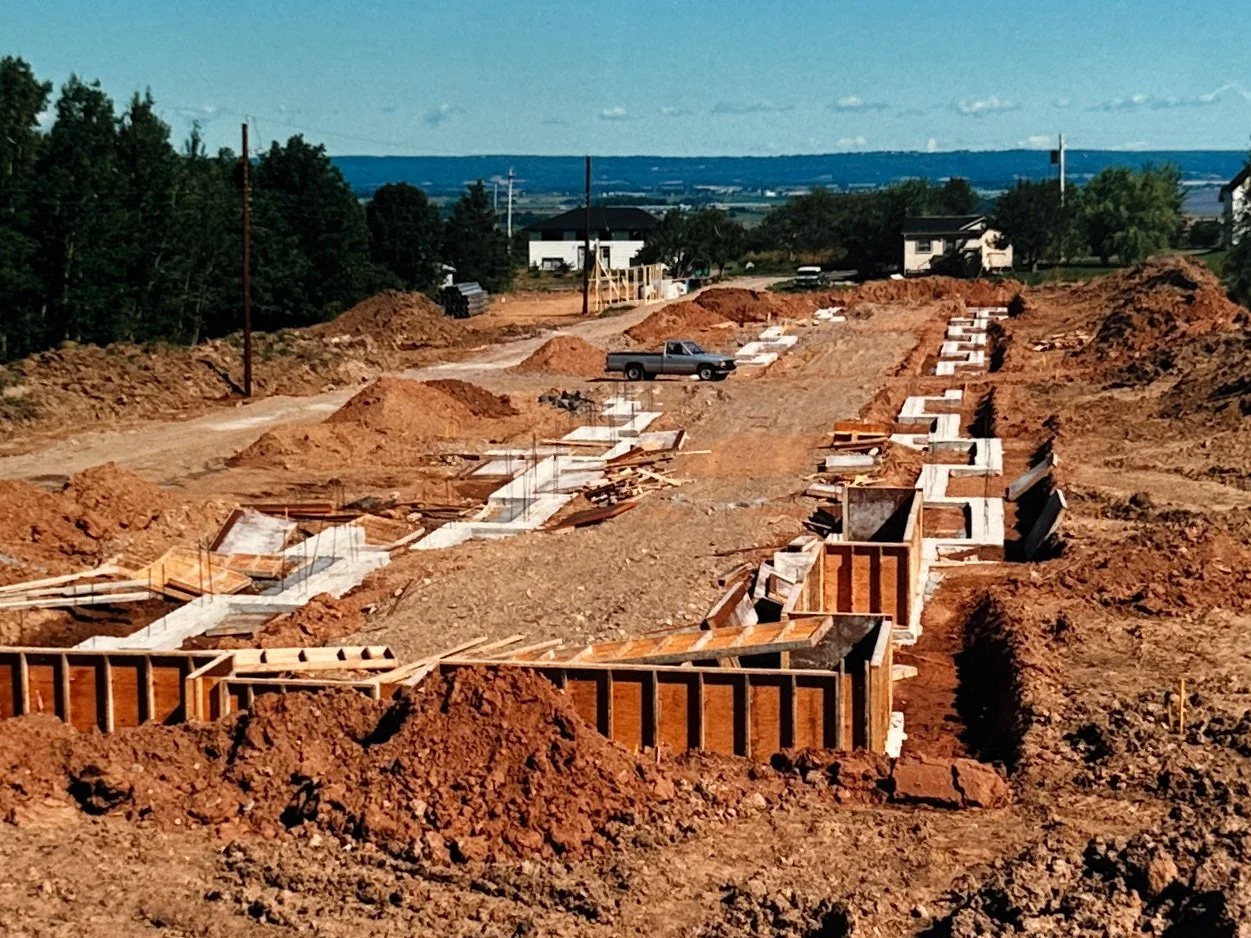
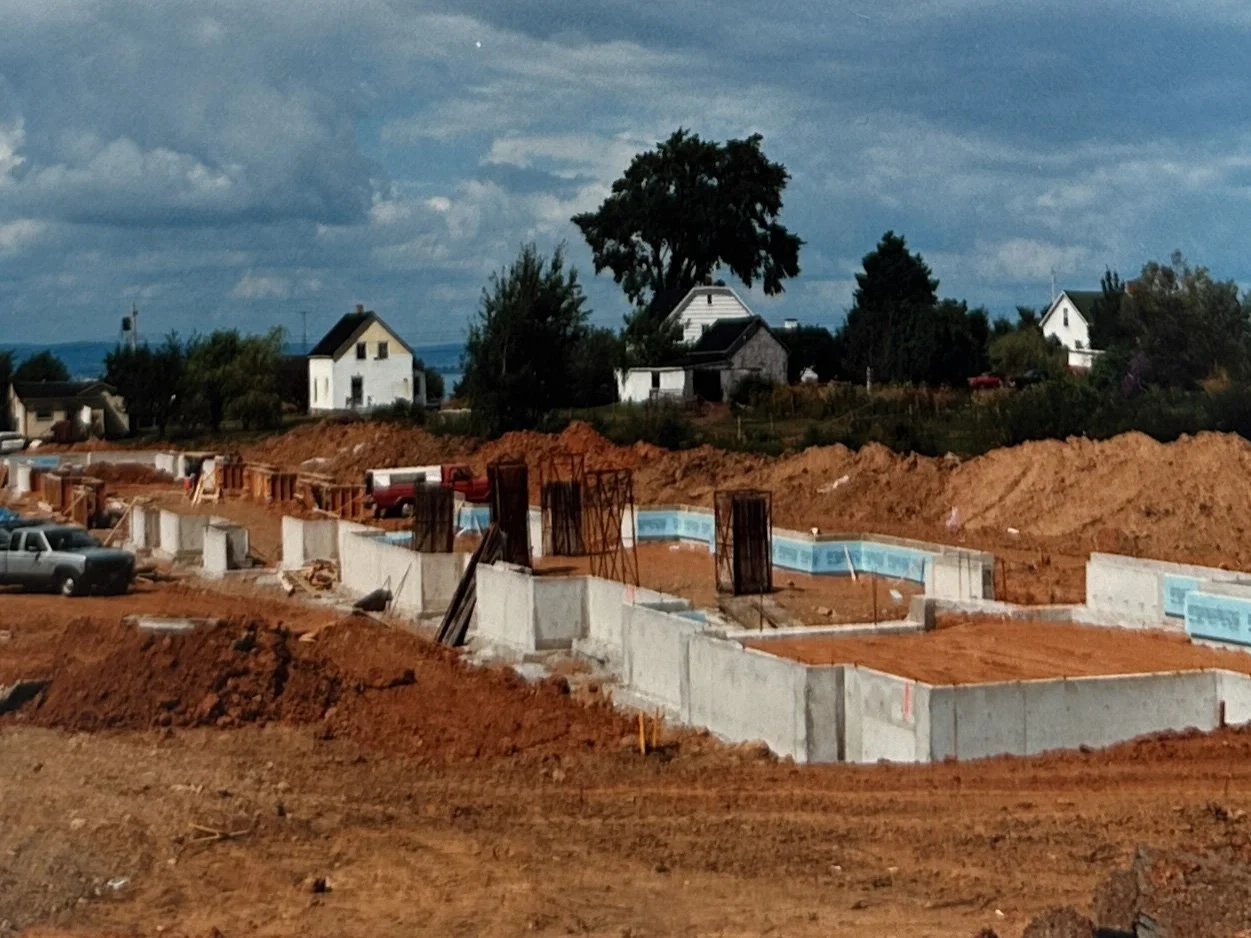
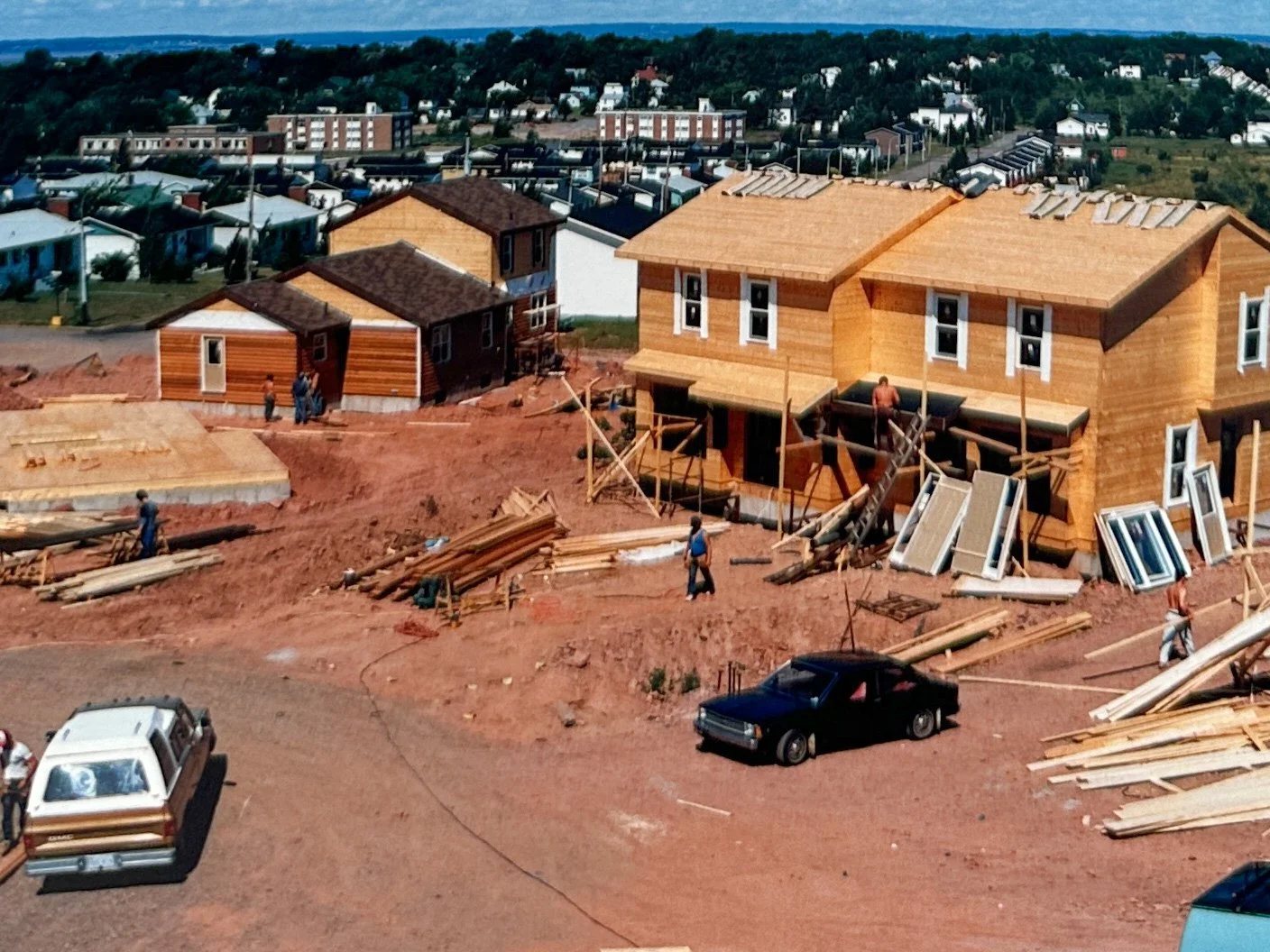
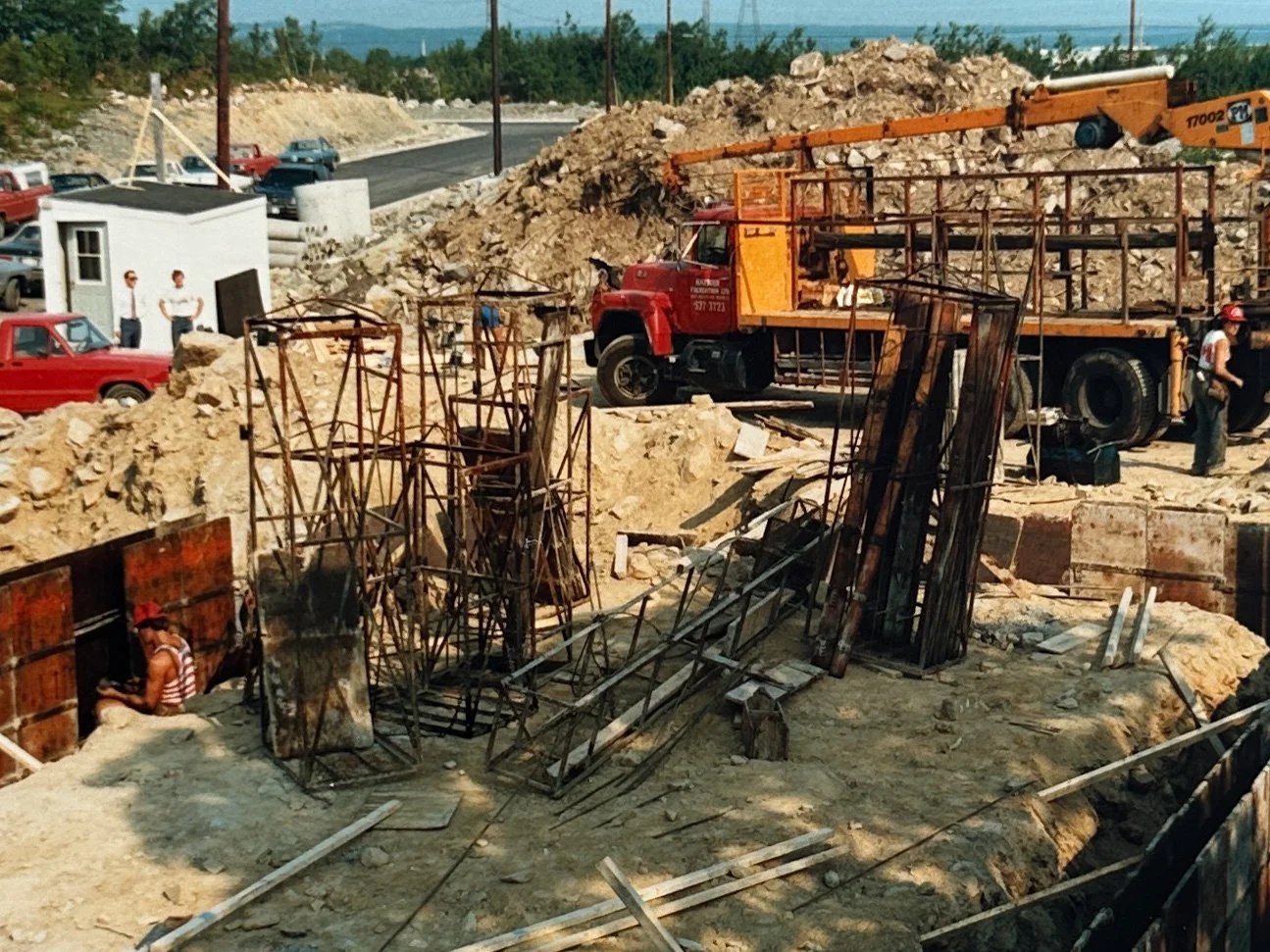
Rubarth Builders, previously known as Rubarth Developments, was founded in 1985 by Philip Rubarth and his brother Mark, both from a long family history of experienced builders.
Guided by the philosophy ‘Best Practice & Highest Industry Standard’ the Rubarth’s established a reputation for uncompromising quality, innovation, and craftsmanship across Nova Scotia.
Innovation and Expansion
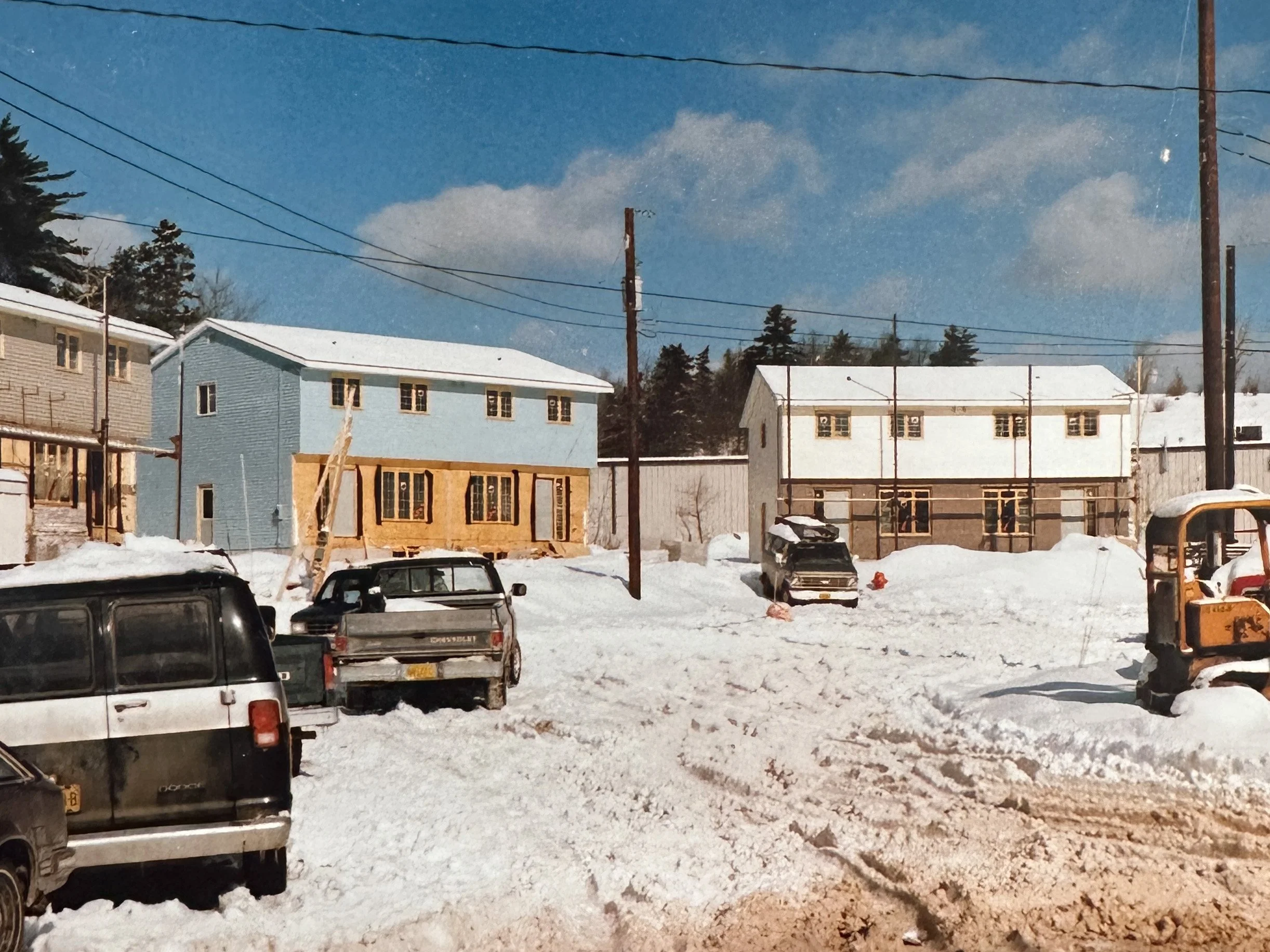
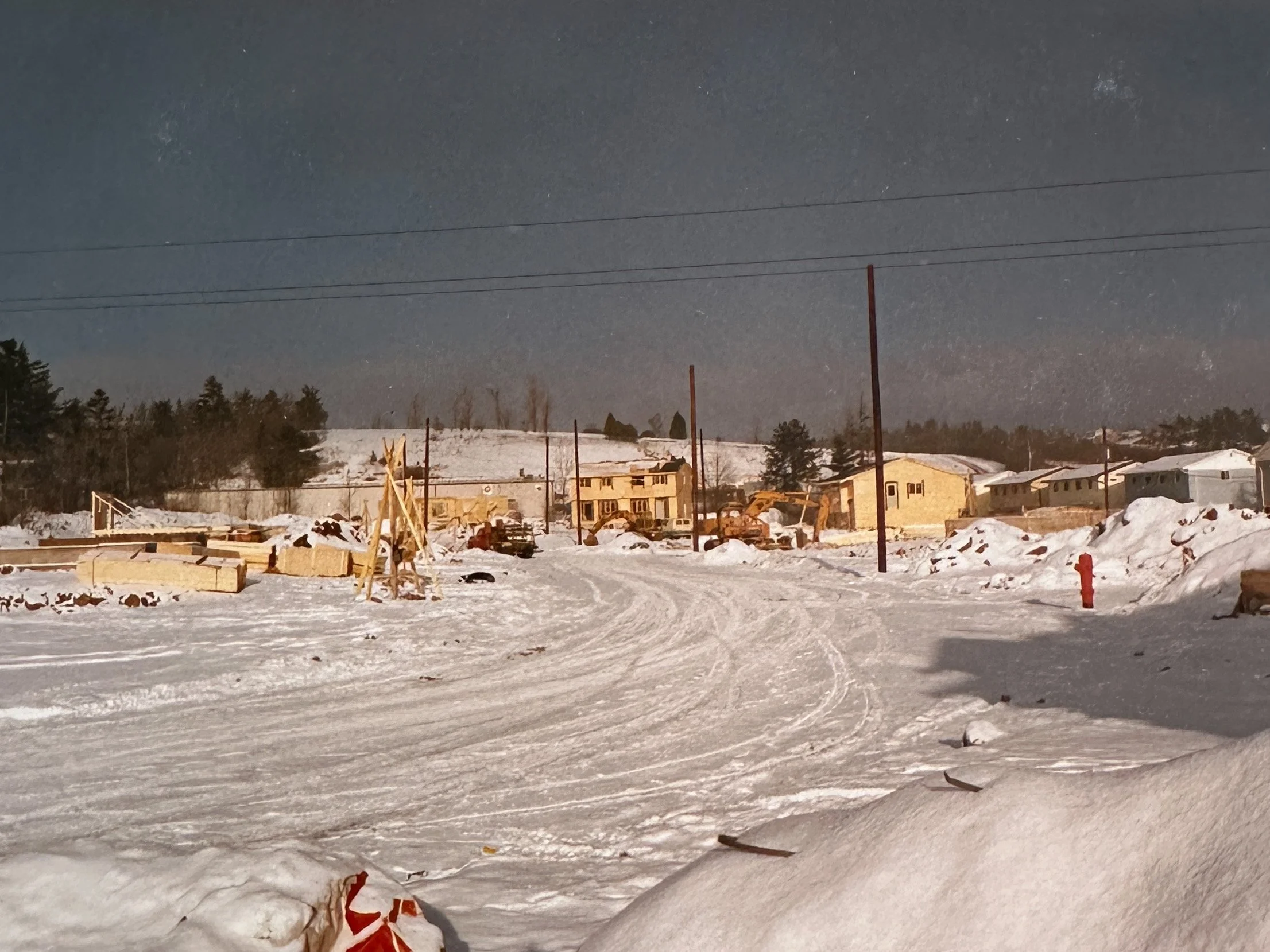
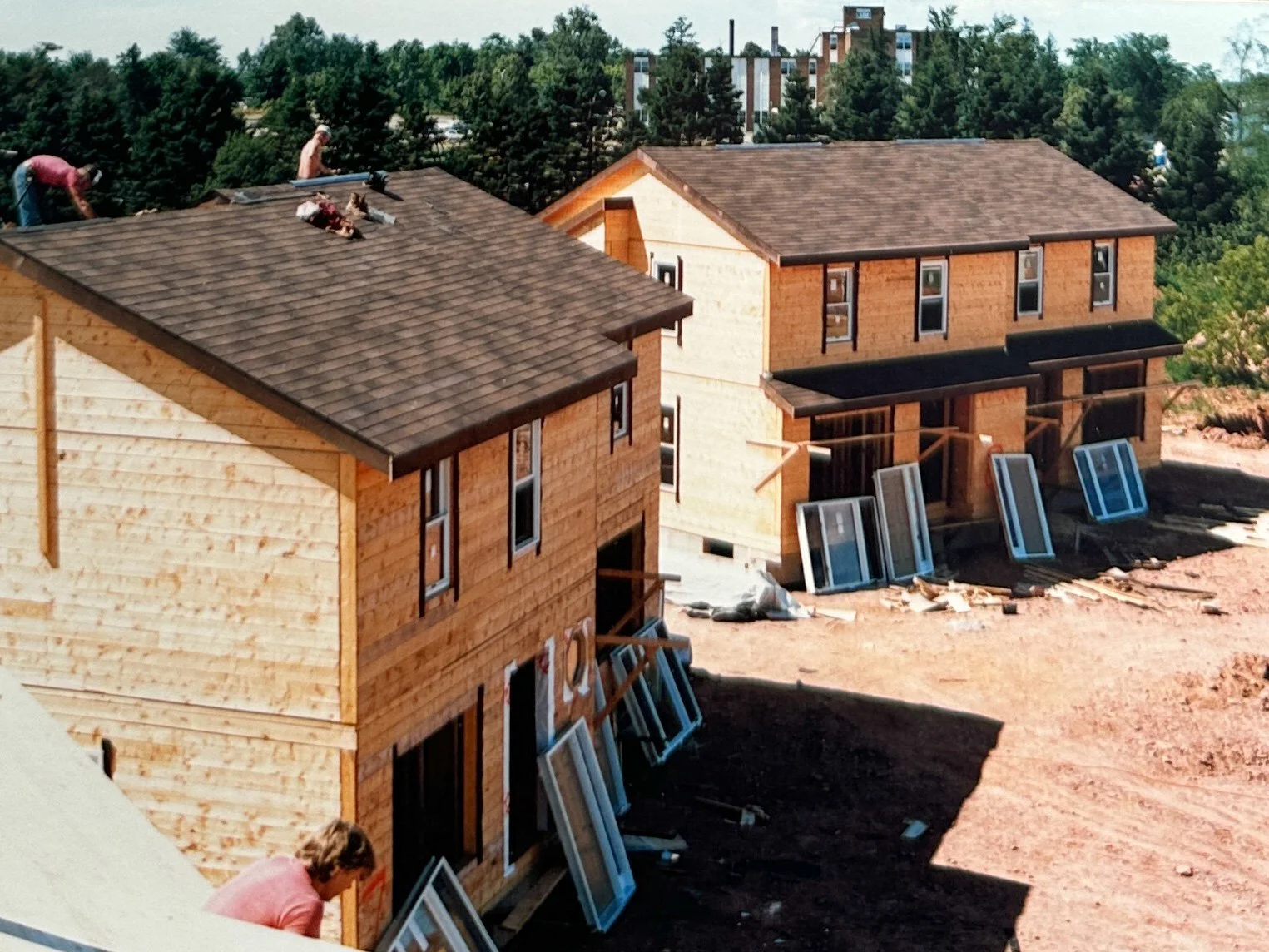
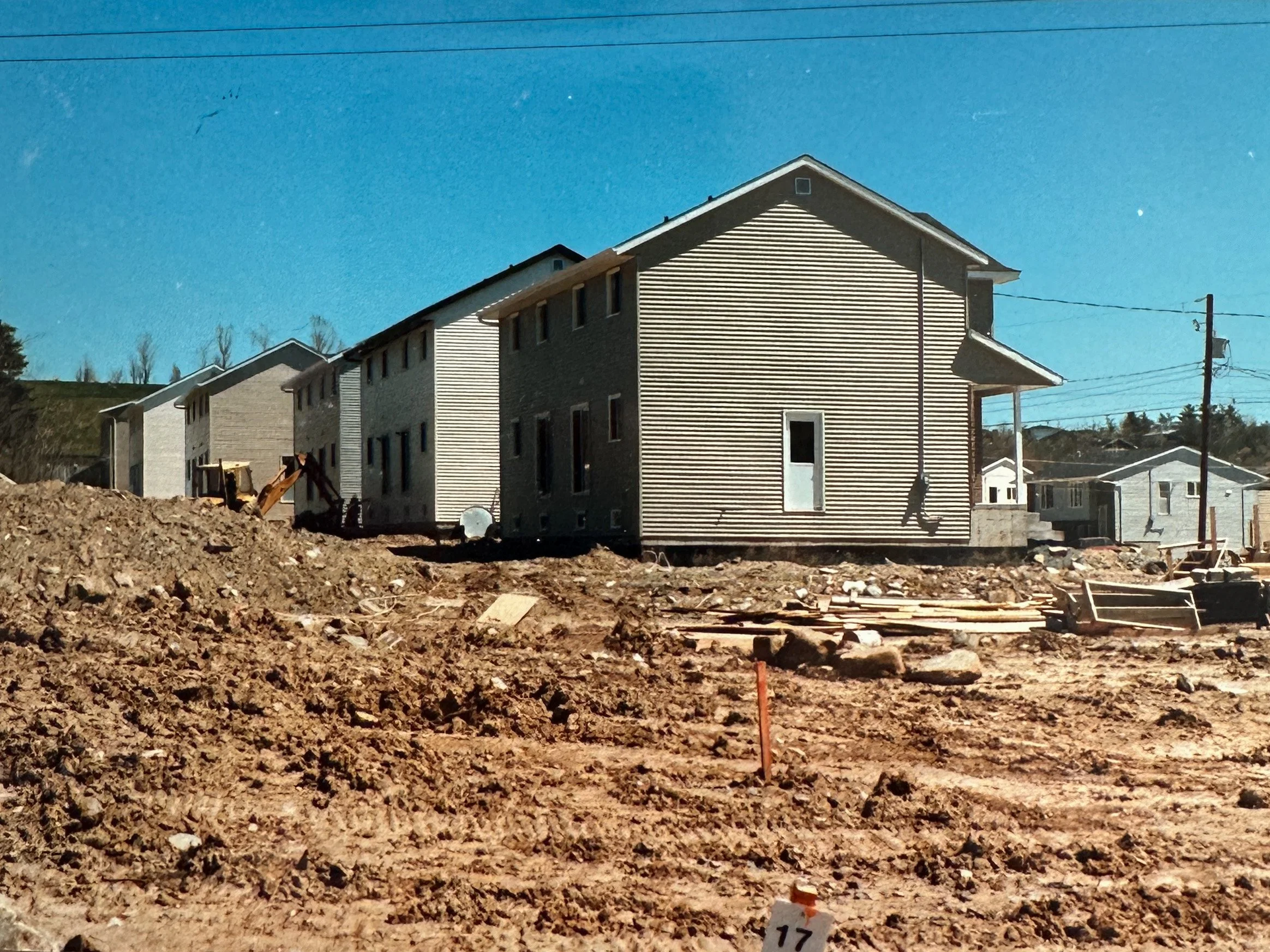
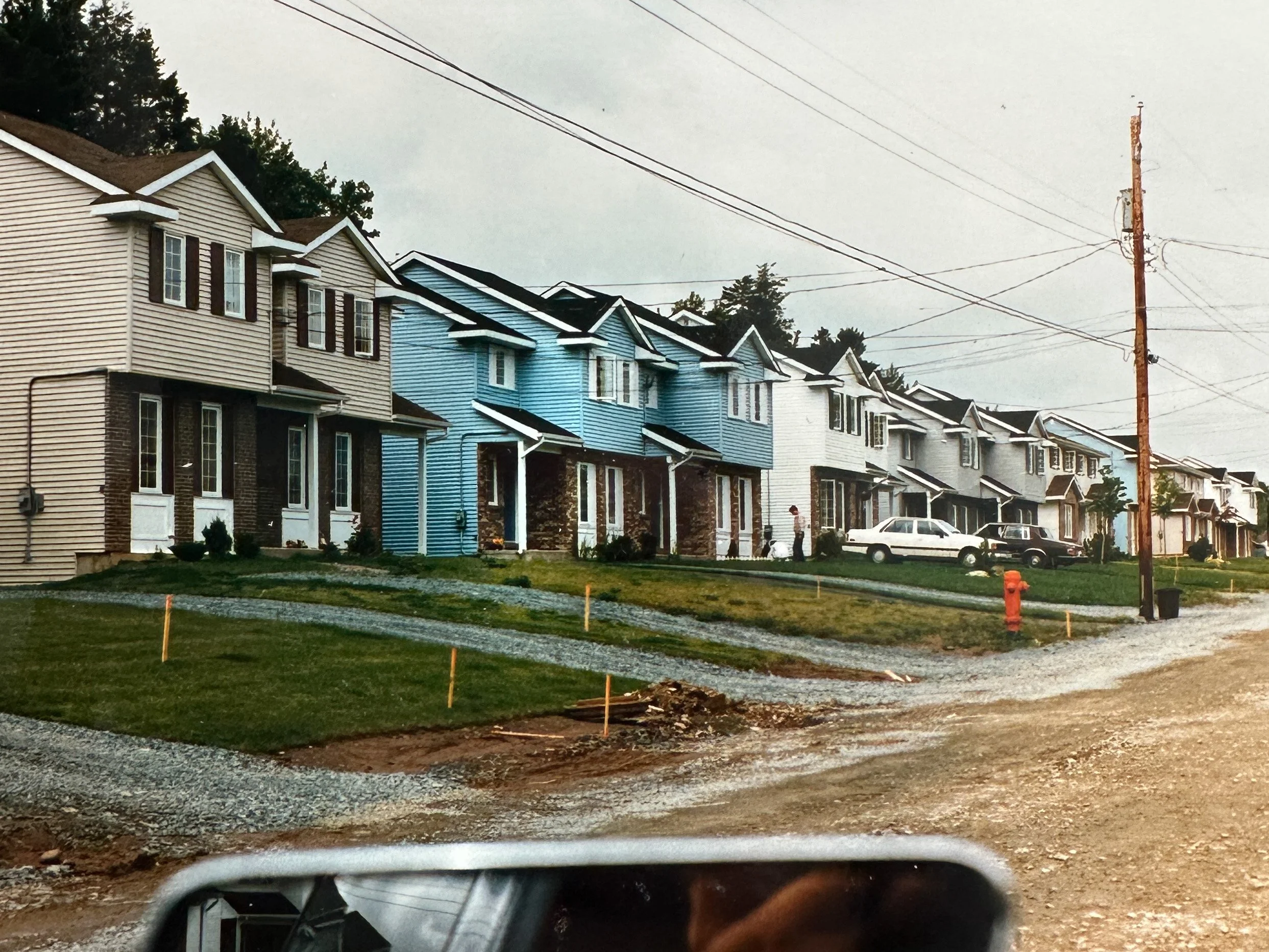
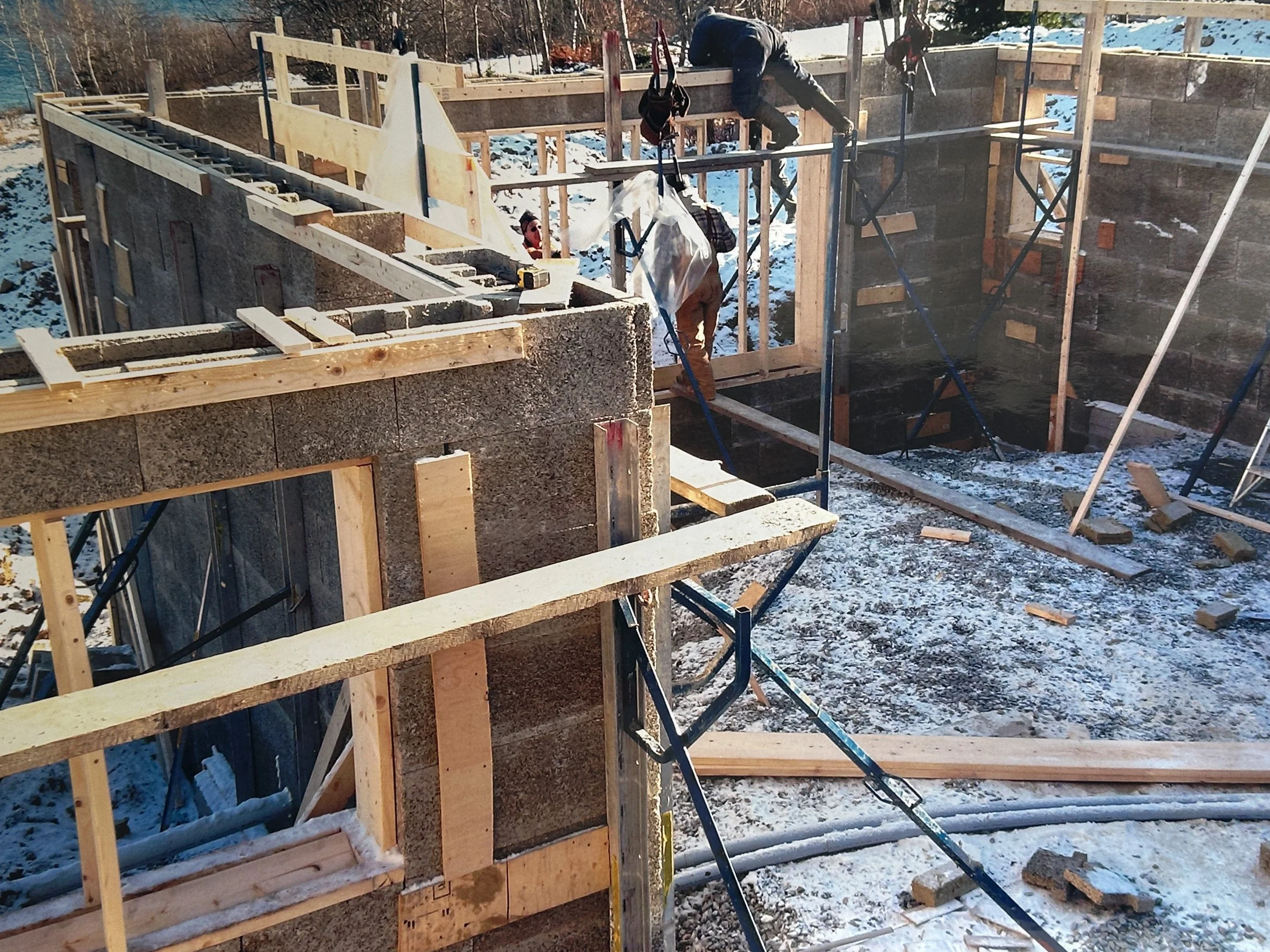
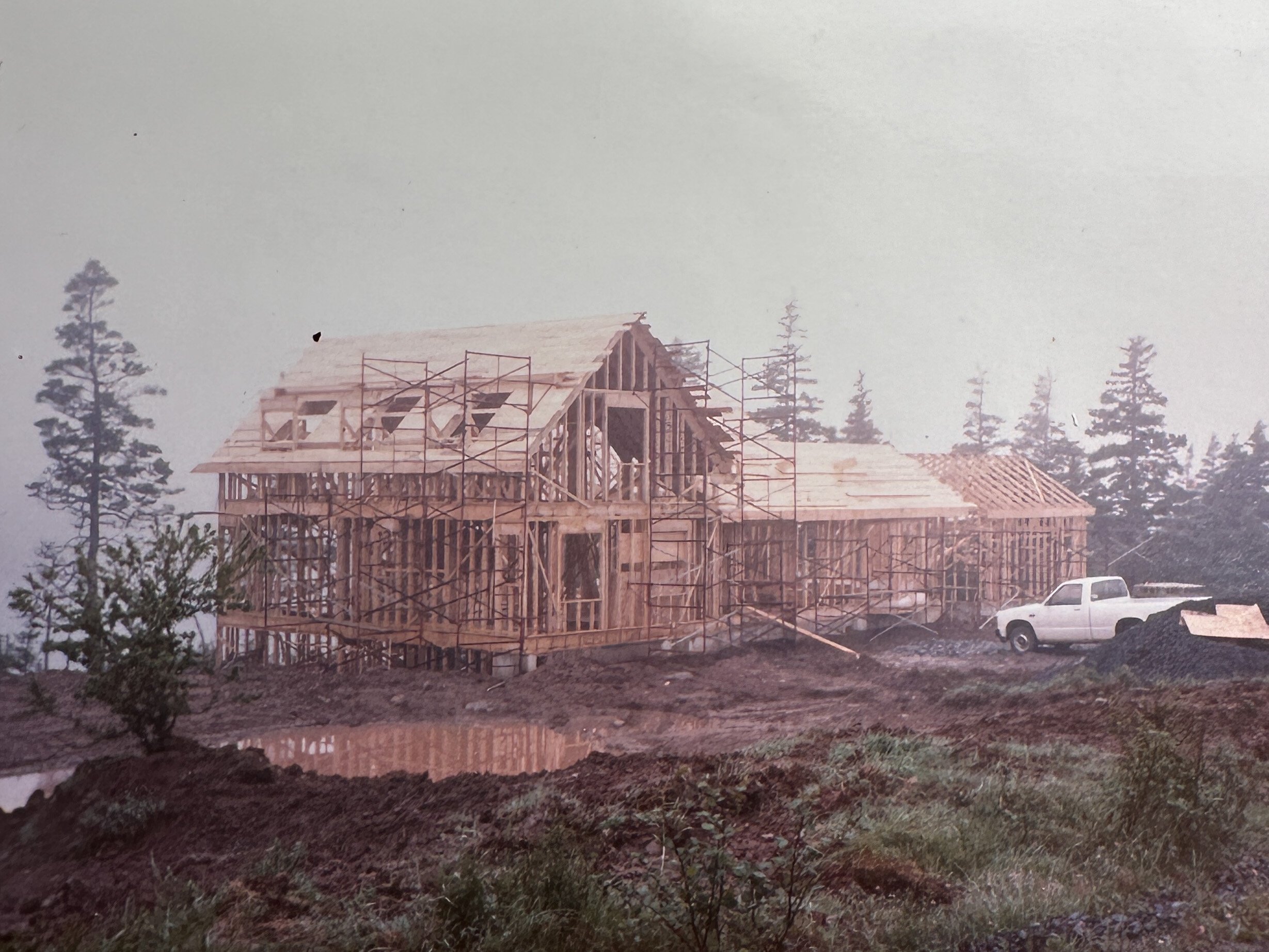
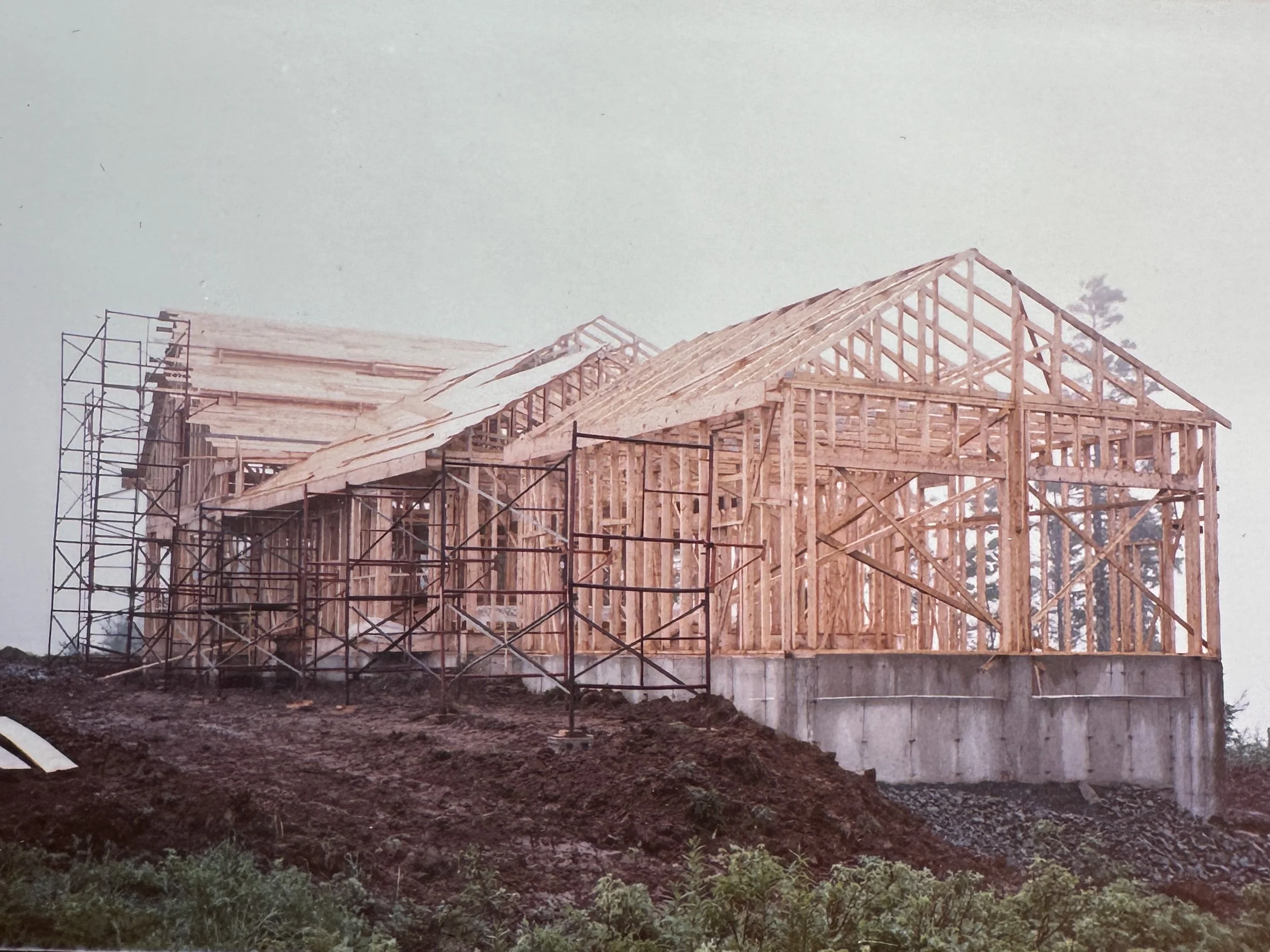
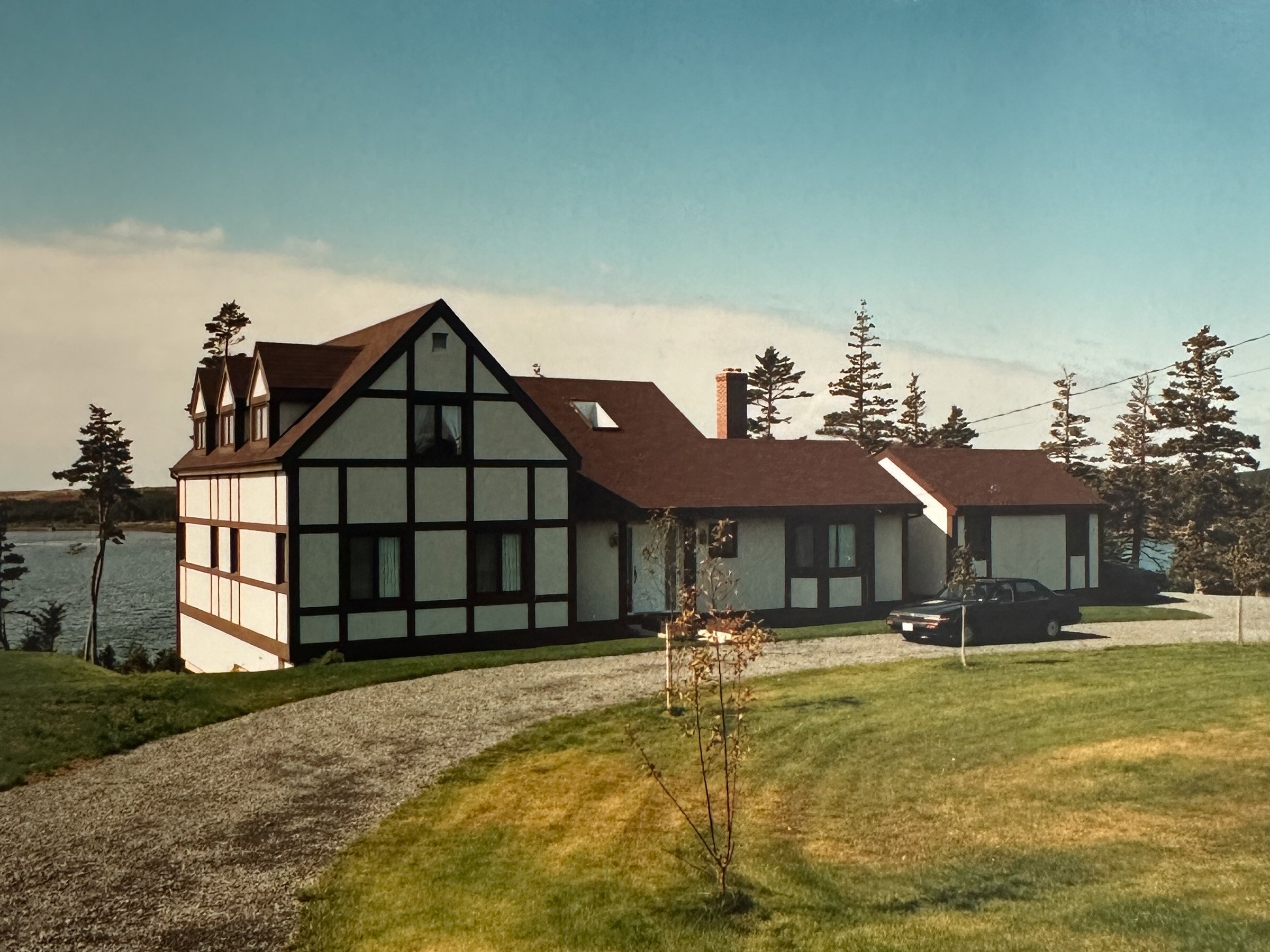
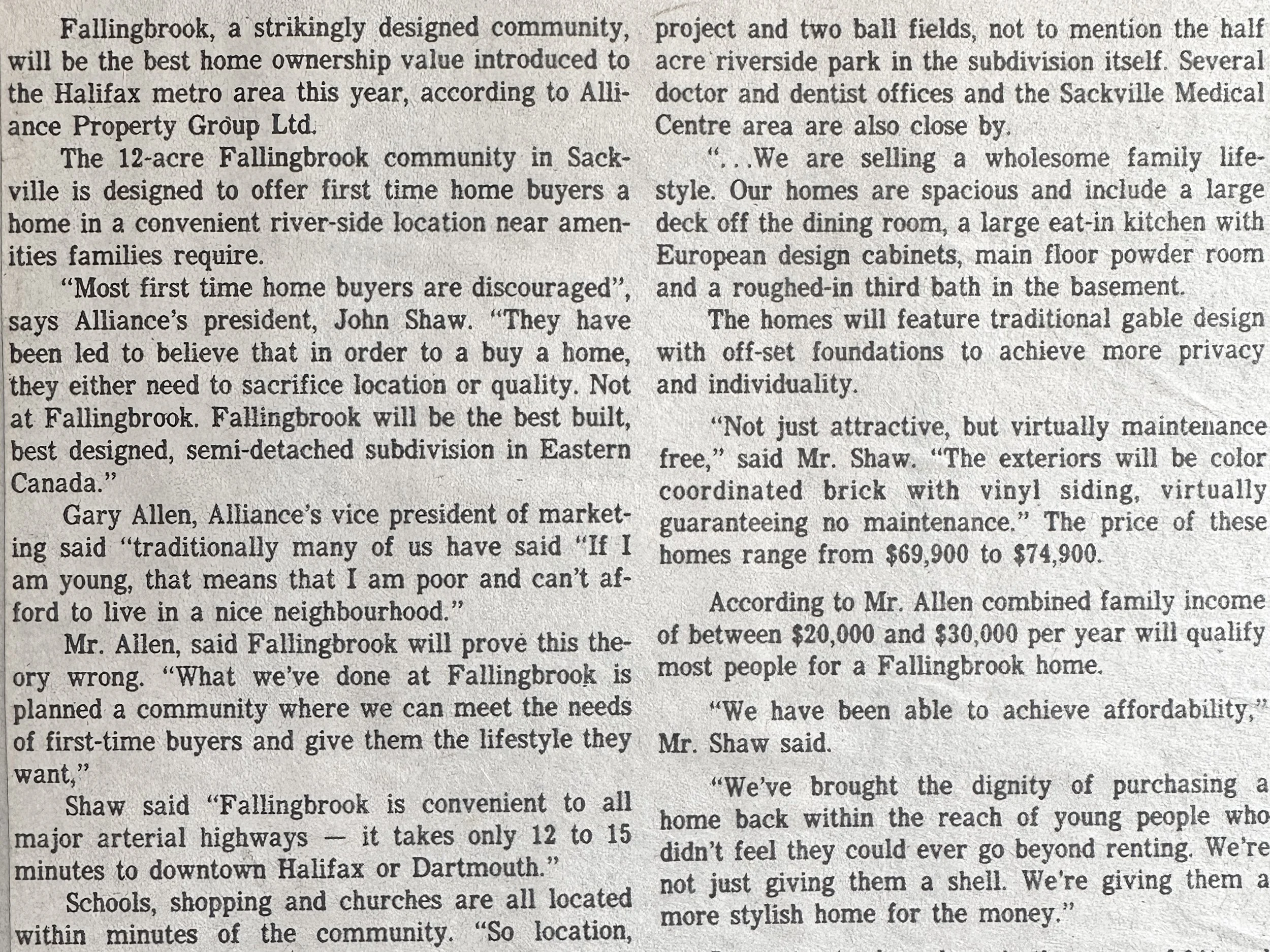
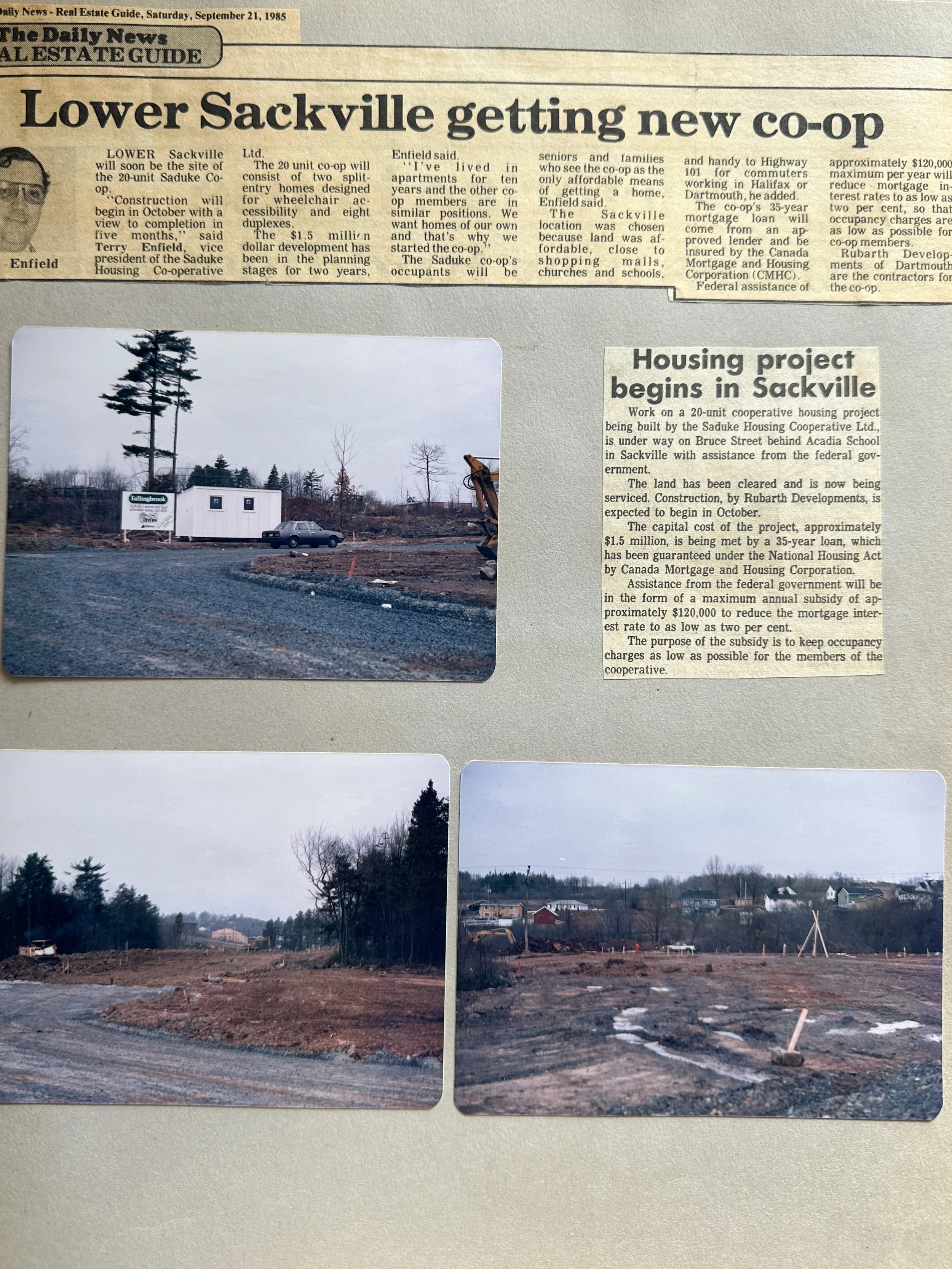
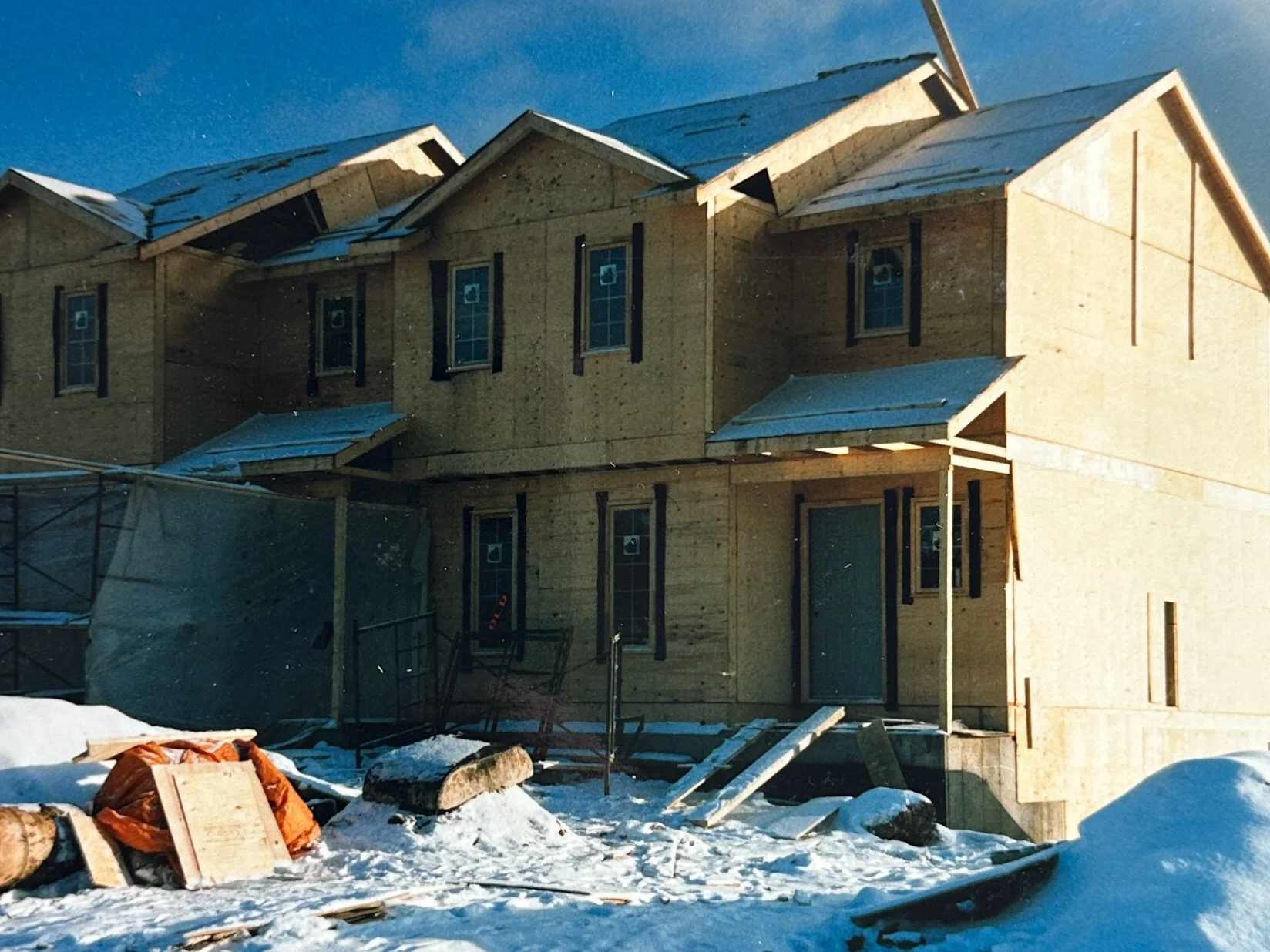
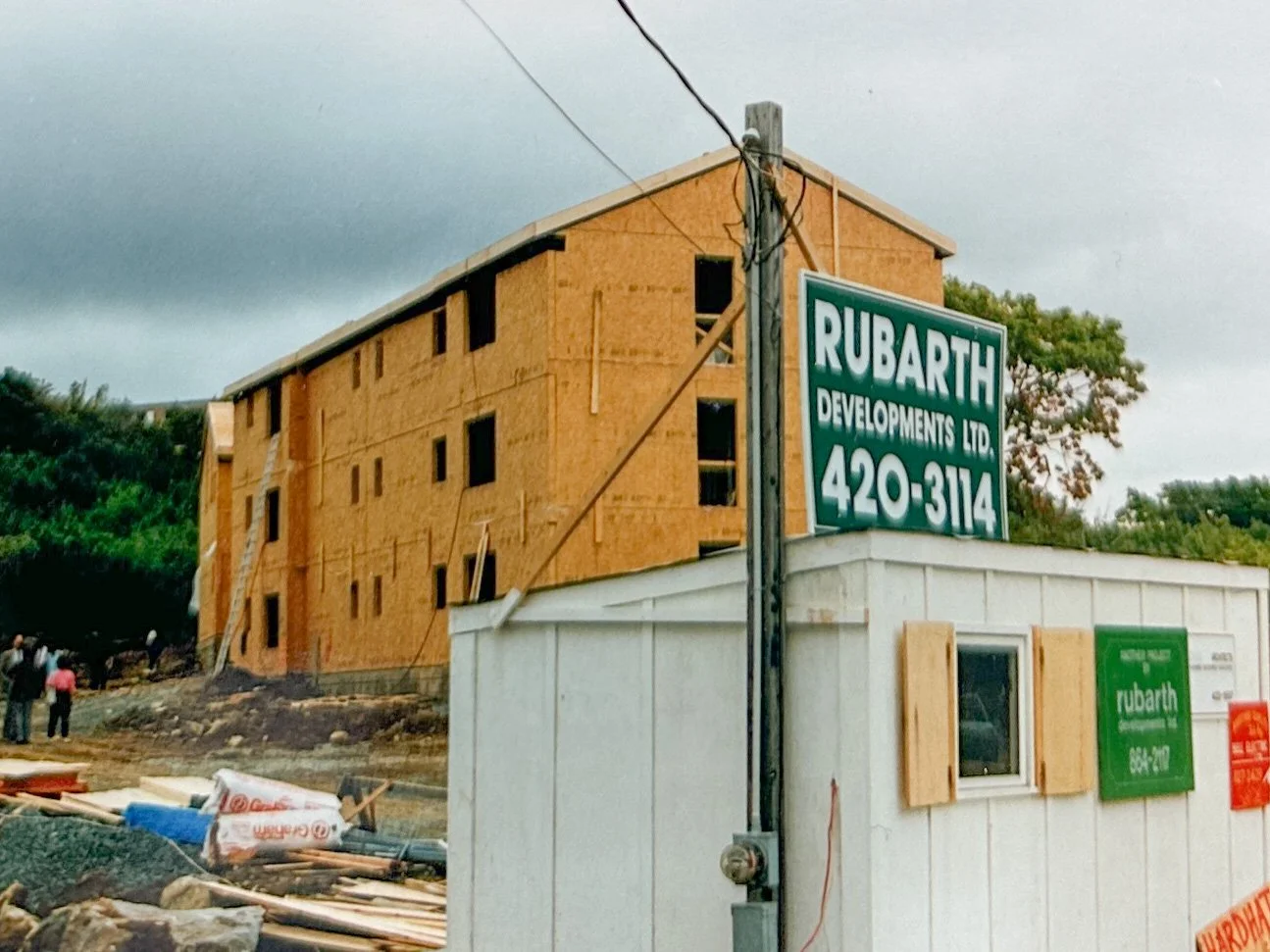
As demand grew, Rubarth Builders expanded into light commercial construction, completing two and three storey butler-style steel buildings and other specialized commercial structures. The company, at the time, became known for taking on challenging, first-of-their-kind projects, including: The first ICF home in Atlantic Canada, built in the Annapolis Valley, one of the first synthetic stucco installations in the region– completed in Three Fathom Harbour and multiple co-operative housing projects based in Lower Sackville.
FROM THE START
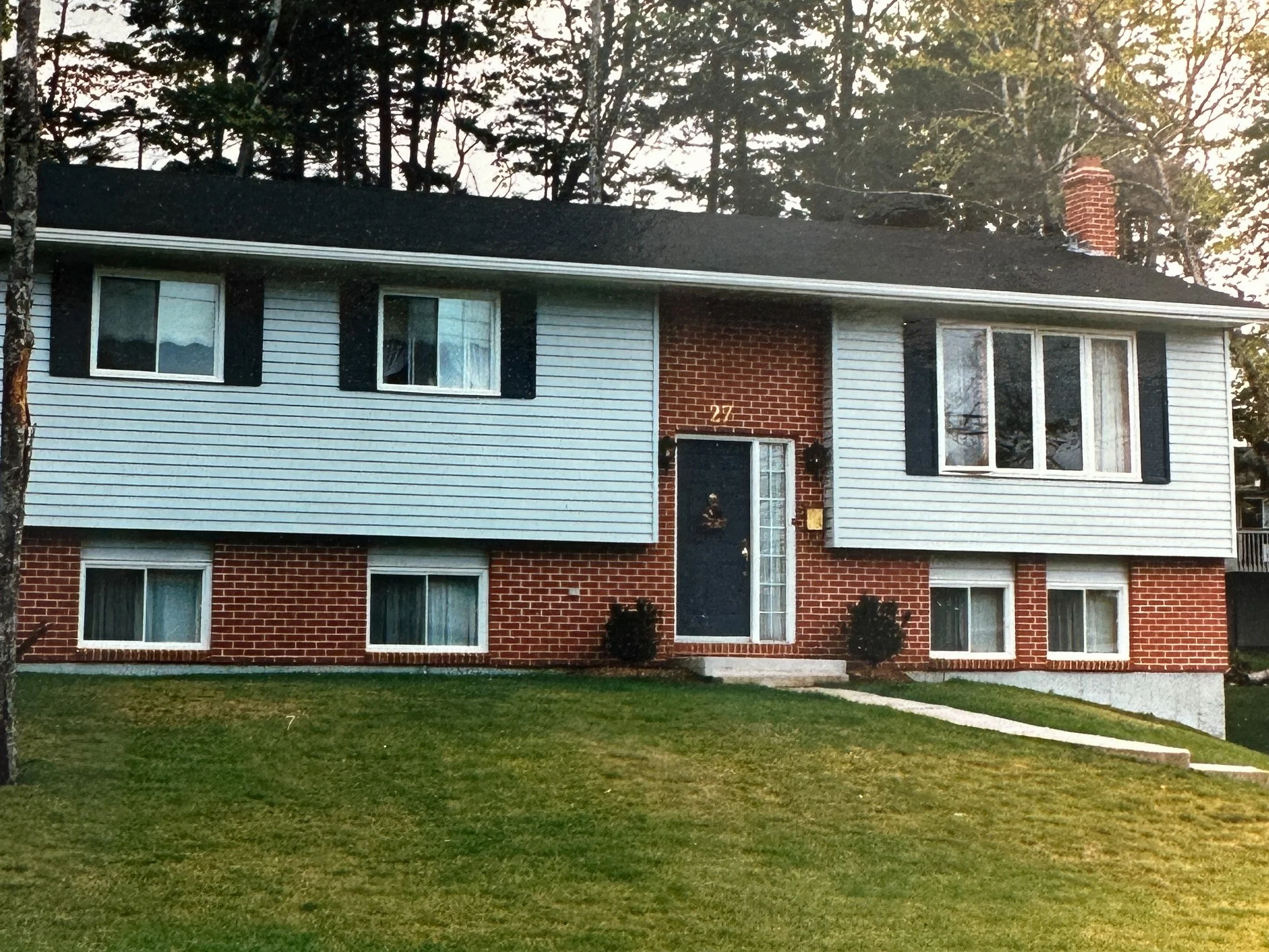
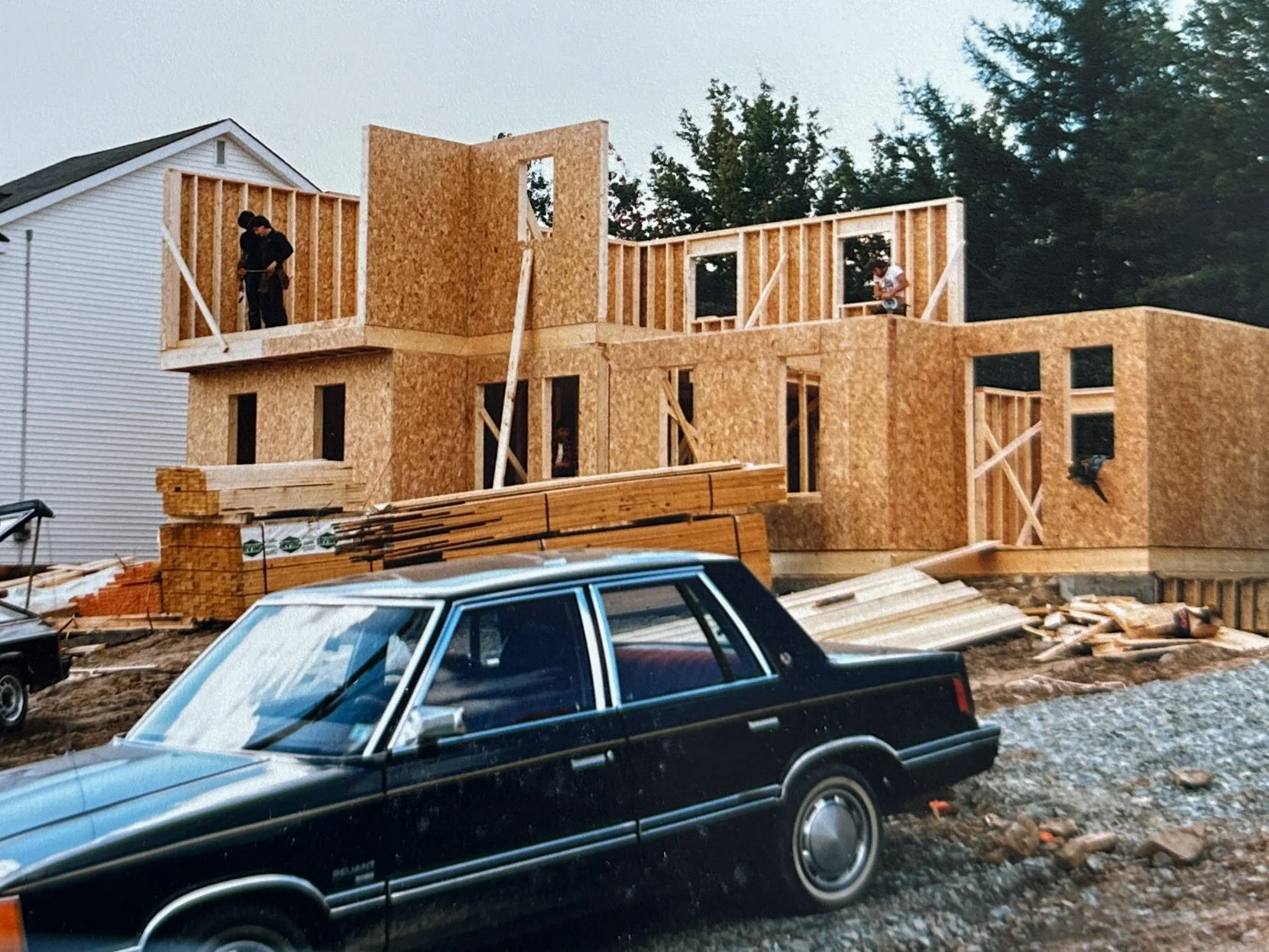
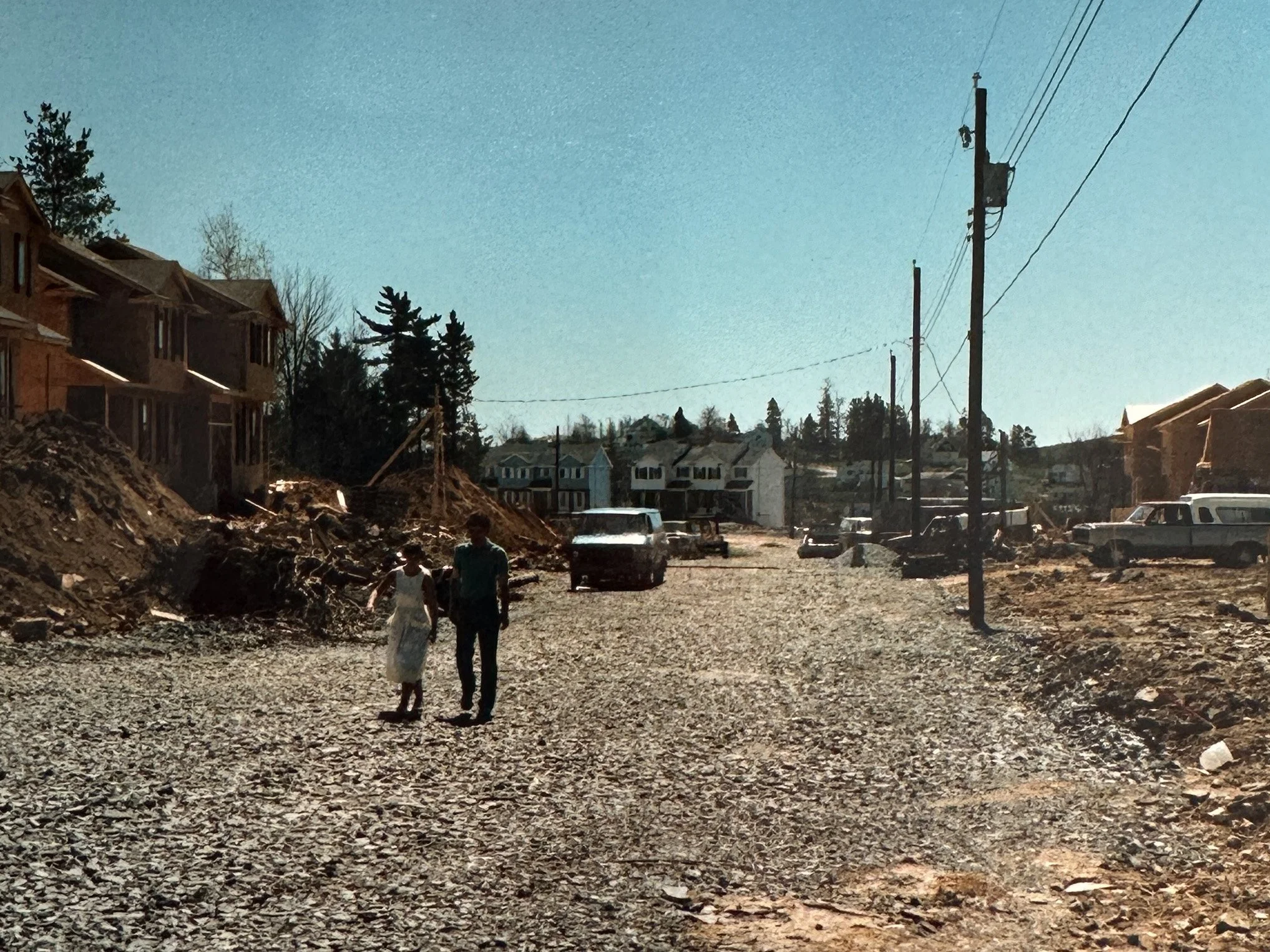
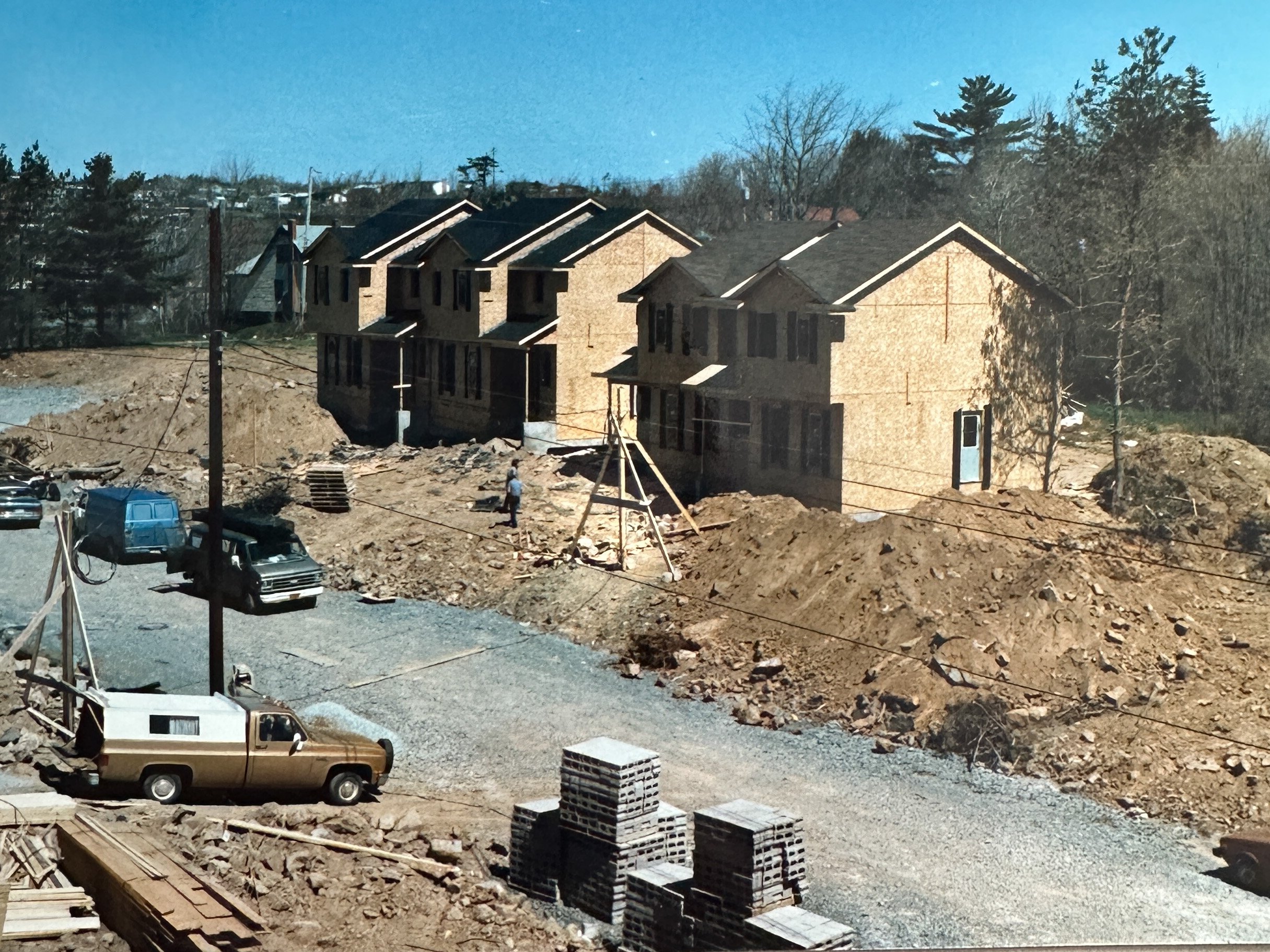
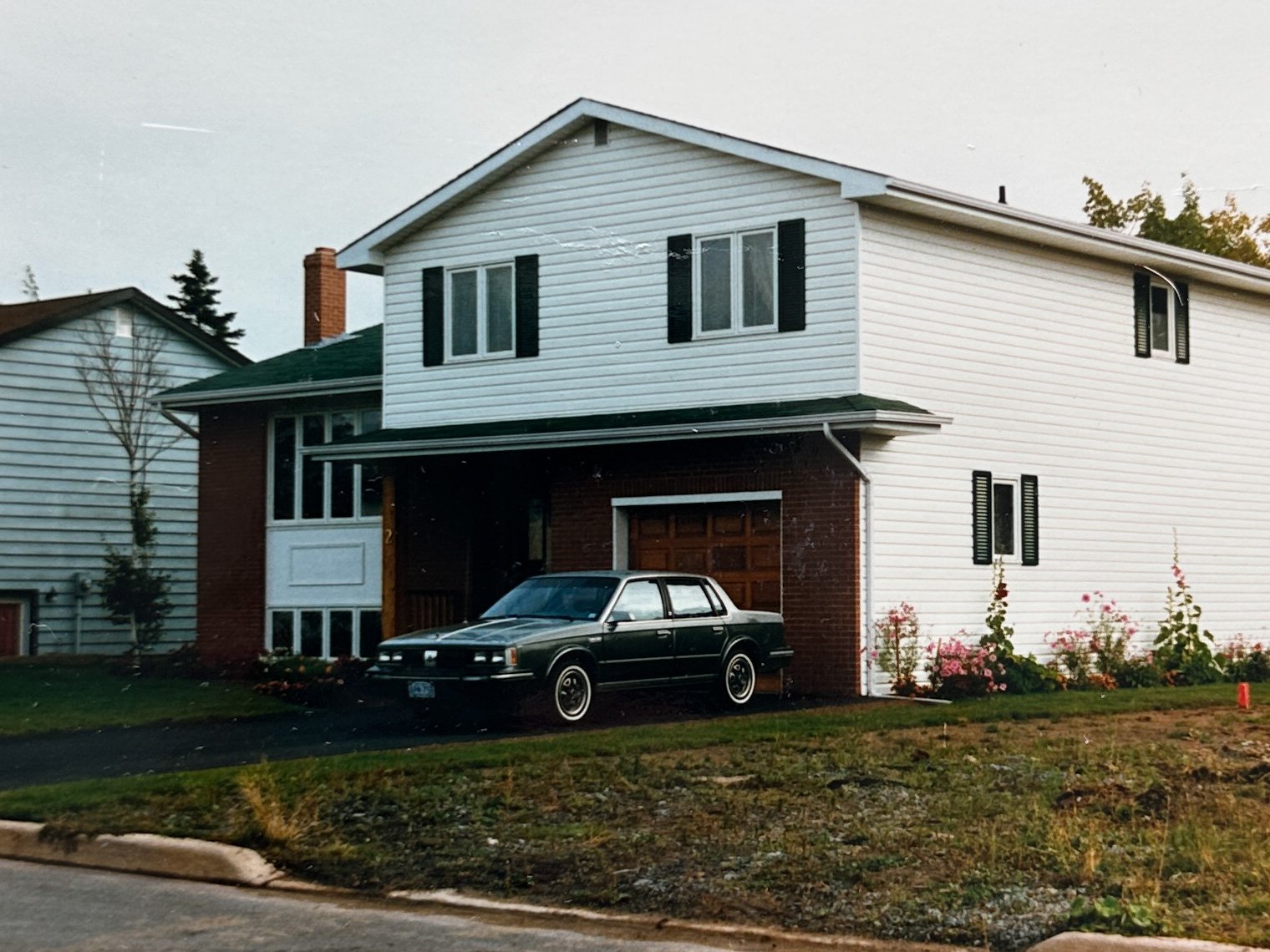
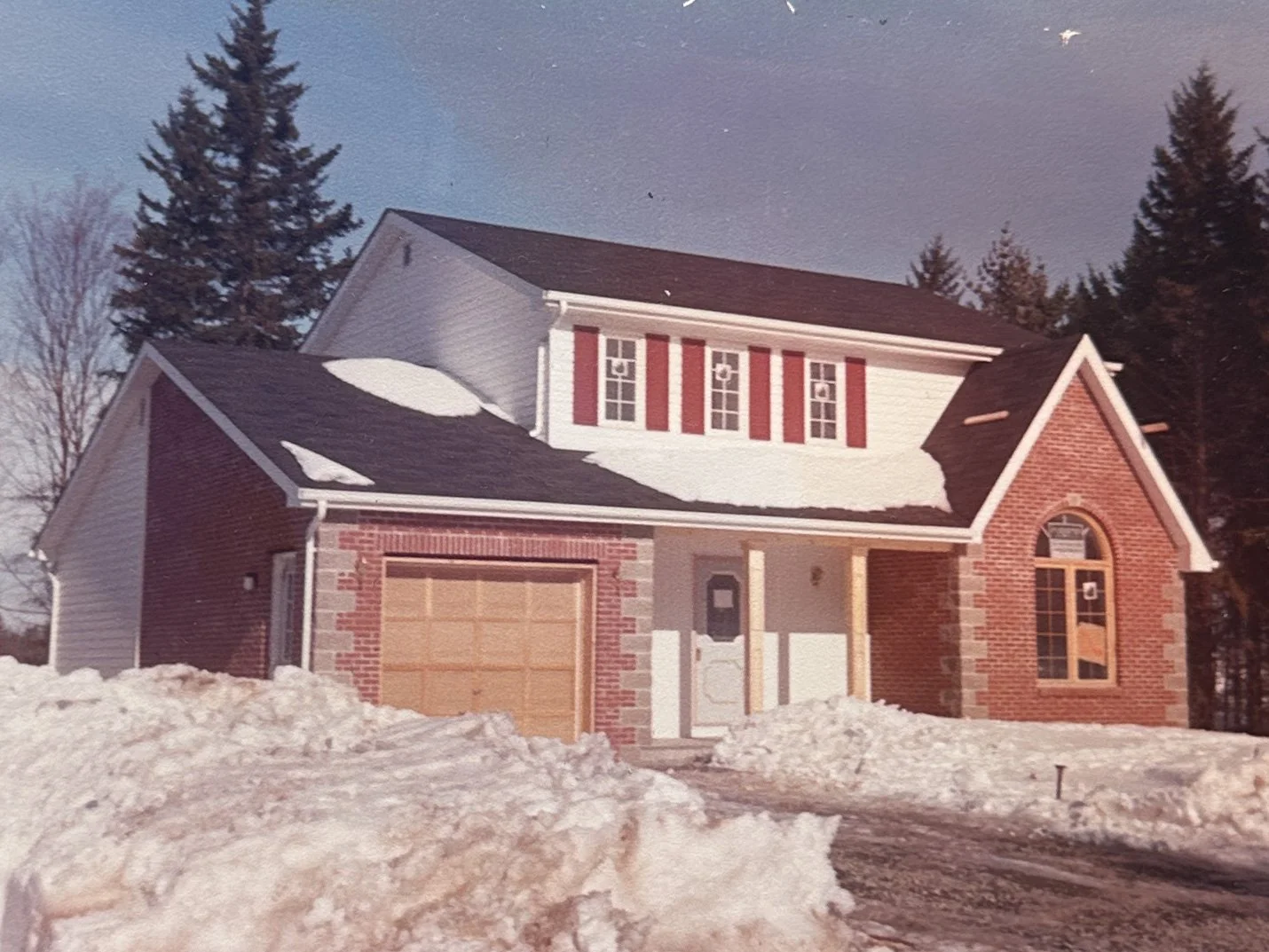
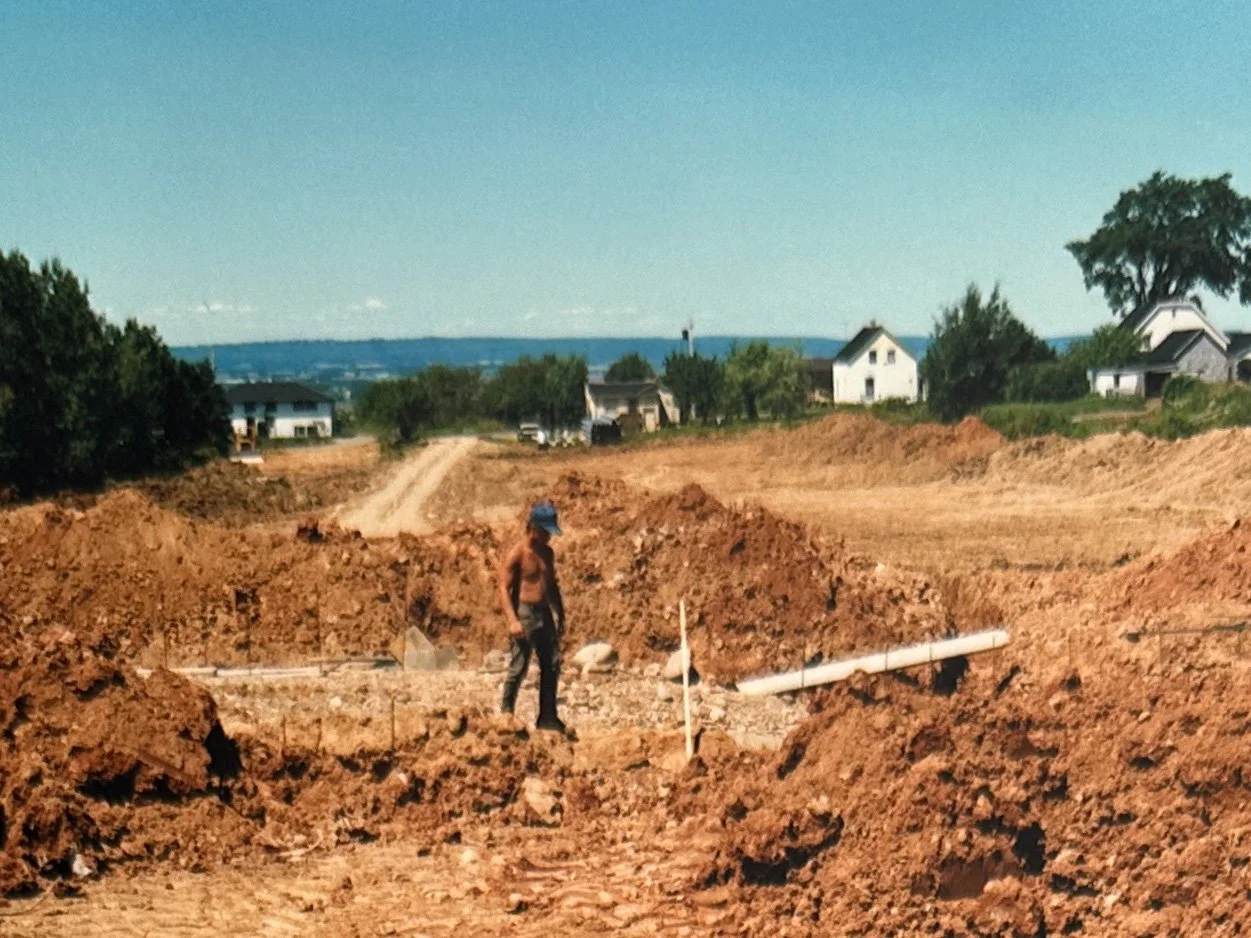
From the very beginning, the Rubarths were designing and building custom homes, co-ops, developments and commercial builds across HRM and beyond—from the Halifax Peninsula, Lower Sackville, Dartmouth, Bedford, and Spryfield to communities across the province including Amherst, Wolfville, and the Eastern Shore. The company’s commitment to precision and lasting value set it apart in a growing residential market.
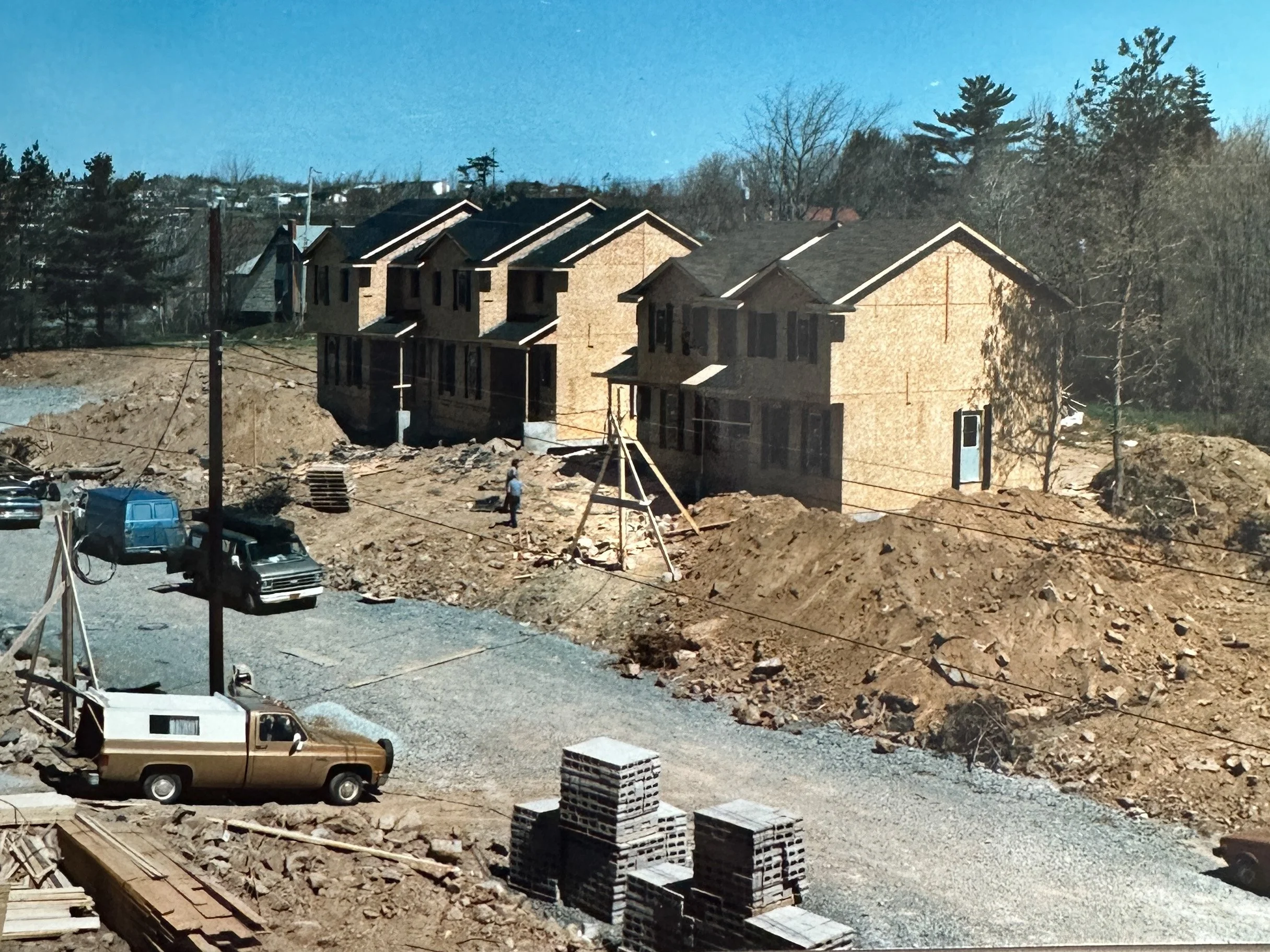
This period of innovation solidified Rubarth Builders’ reputation as a forward-thinking builder willing to adopt new technologies and construction methods long before they became industry standards.
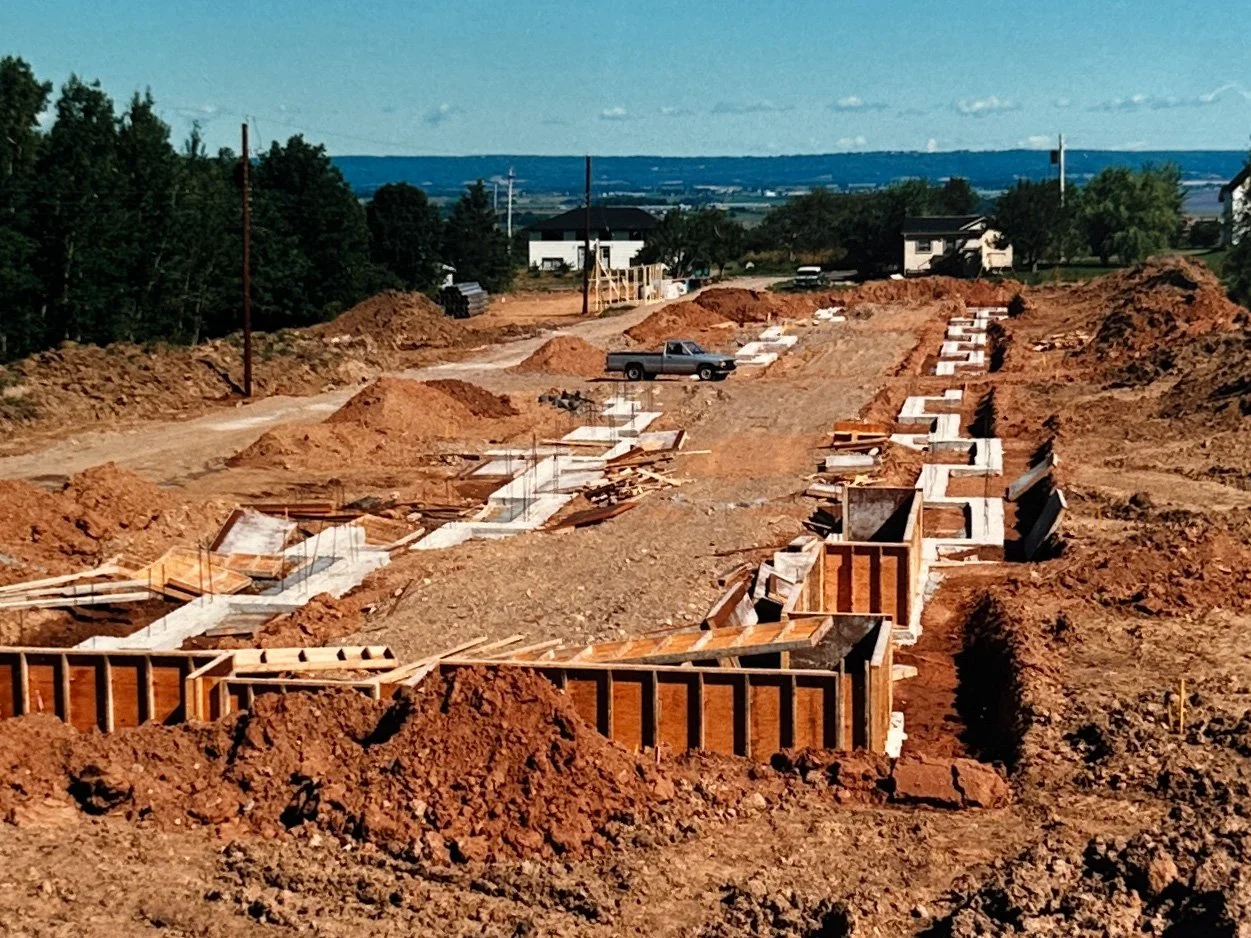
Growth Into a Fully Integrated Construction Team
With brothers Mark and Phil Rubarth at the helm, their company expanded from a small family crew into a team of more than 30 highly skilled professionals. Rubarth Developments assembled an in-house workforce that included engineers, field superintendents, a full framing division and concrete foundation and formwork crews.
This vertically integrated model ensured consistency, quality control, and craftsmanship on every project. The company’s main office was established in Burnside Industrial Park, placing it at the centre of HRM’s construction and commercial hub.
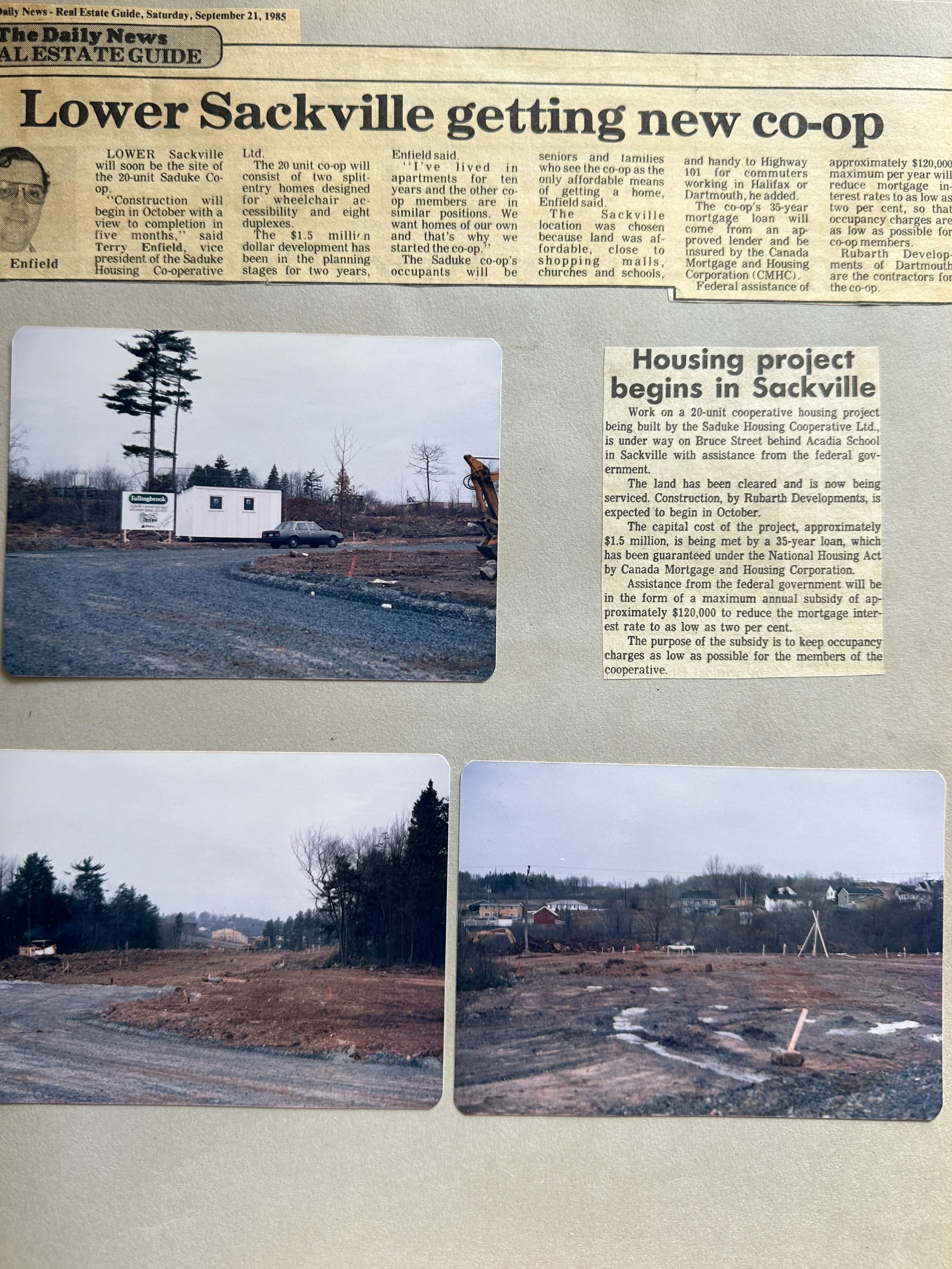
Innovation and Expansion
As demand grew, Rubarth Builders expanded into light commercial construction, completing two and three storey butler-style steel buildings and other specialized commercial structures. The company, at the time, became known for taking on challenging, first-of-their-kind projects, including: The first ICF home in Atlantic Canada– built in the Annapolis Valley, one of the first synthetic stucco installations in the region– completed in Three Fathom Harbour and multiple co-operative housing projects based in Lower Sackville.
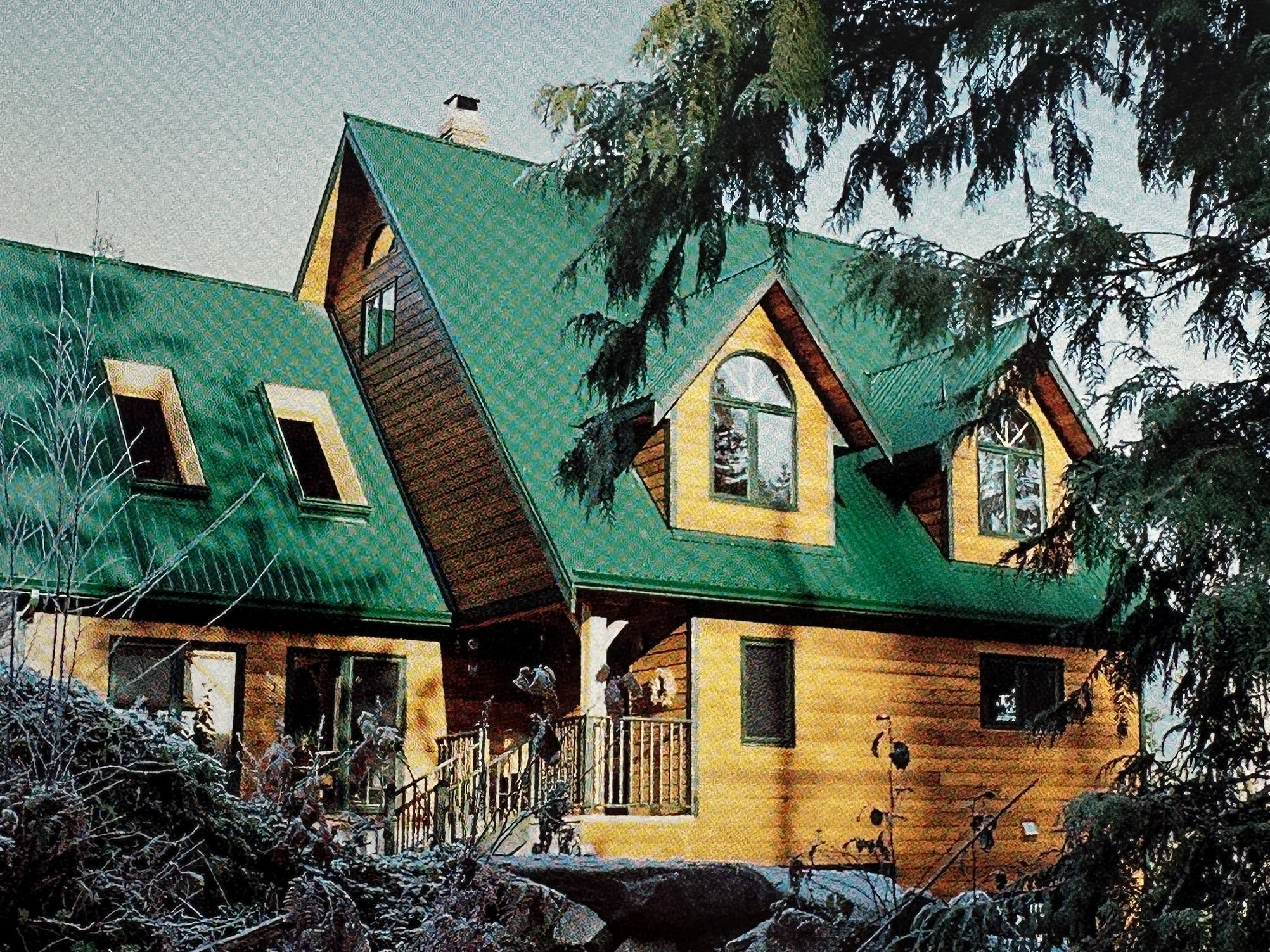
Leadership Beyond the Mainland
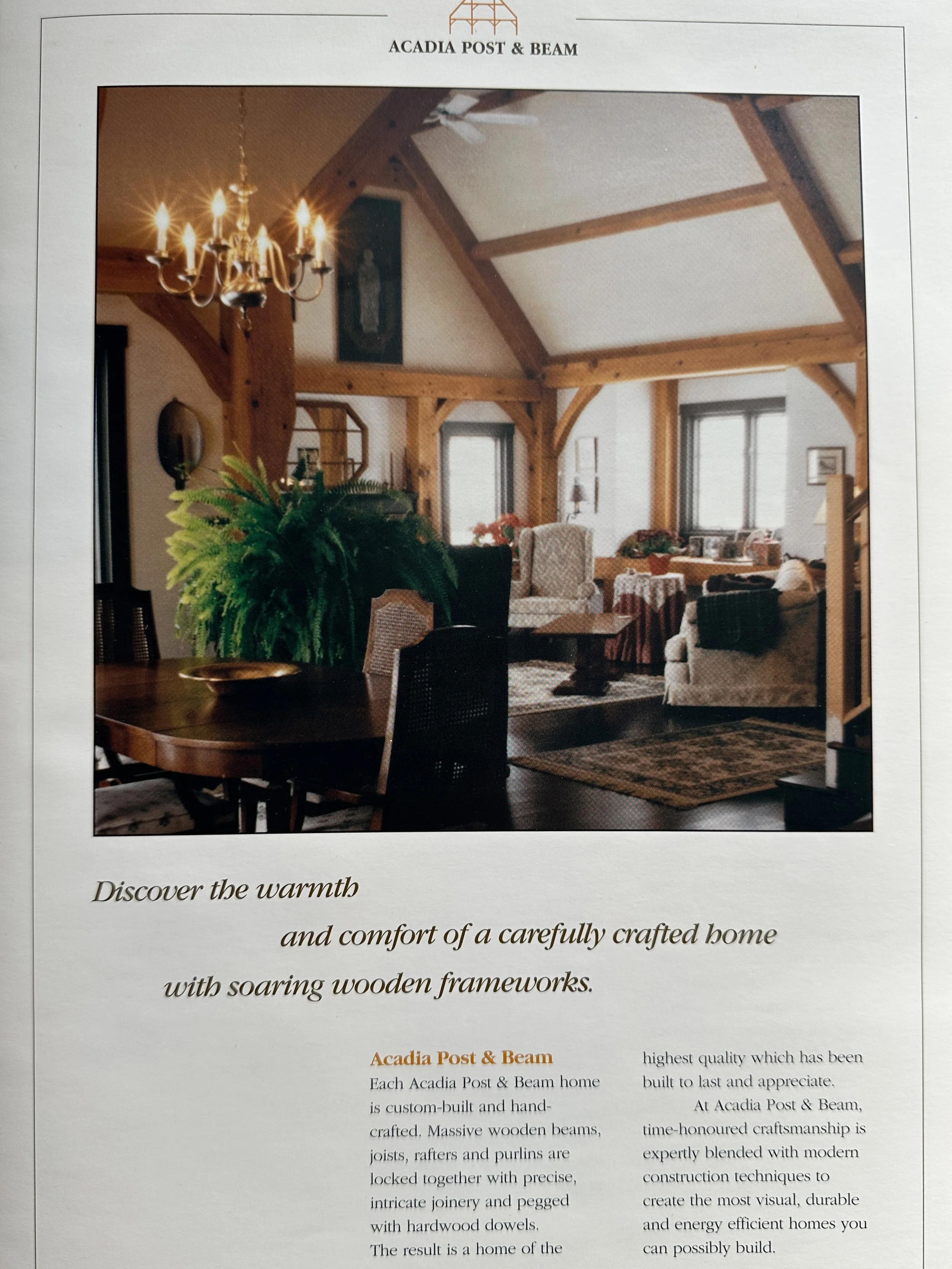
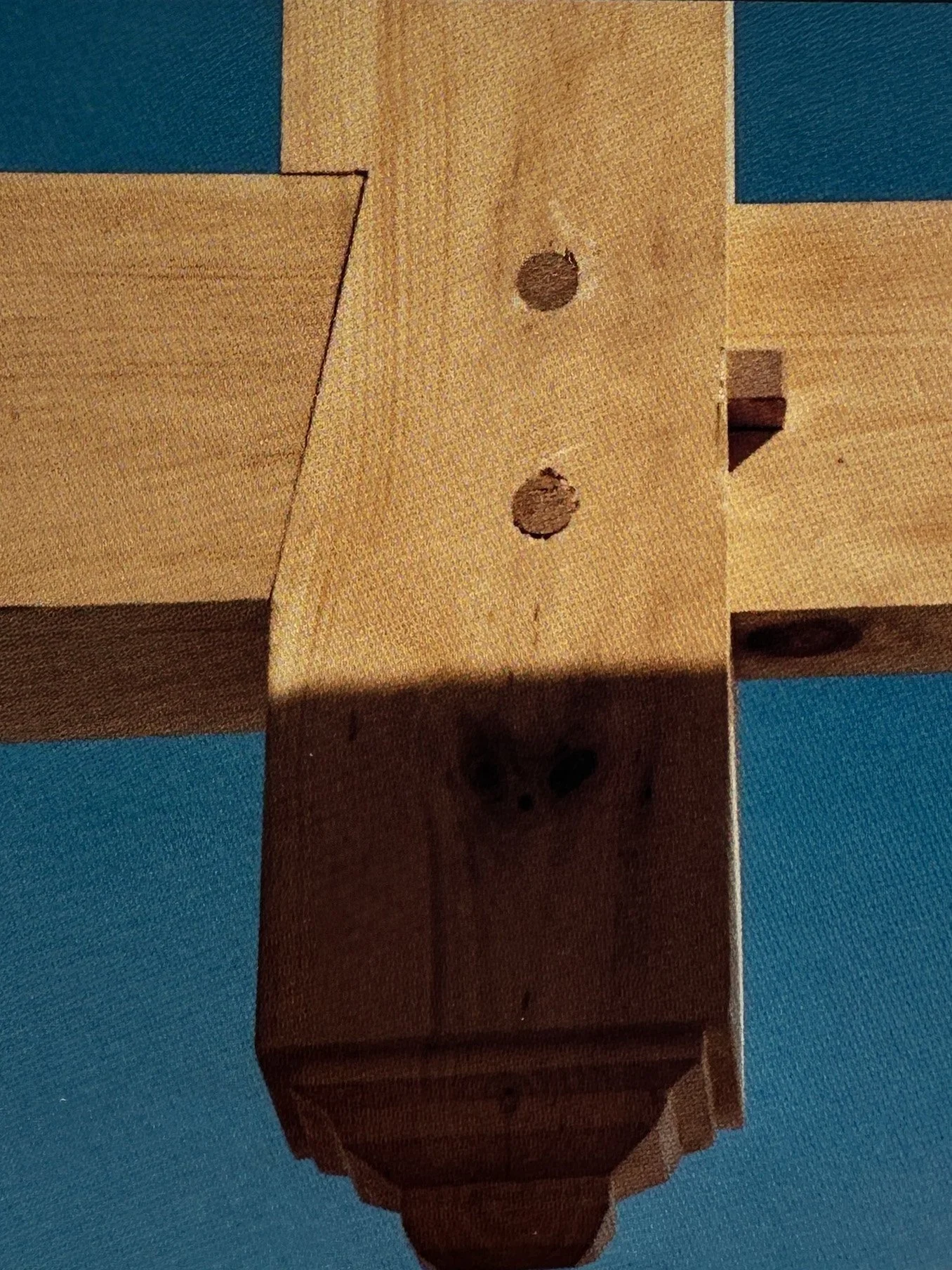
Phil Rubarth also served as General Manager of Acadia Post & Beam in the Annapolis Valley, overseeing international exports of post-and-beam packages to Germany, Belgium, and even the Canary Islands, and organizing teams to erect these structures overseas. This global experience further strengthened the company’s technical ability and precision craftsmanship.
TRADITION AND Modern EvolutioN
Today, Rubarth Builders remains a family-run company guided by Philip’s foundational values. Together, the team continues to evolve while preserving the integrity, craft, and service that have defined their work for four decades.